
I keep dishwasher pods in the kitchen for the obvious reason, but a while back I started reaching for them during bigger cleaning jobs too—especially the grimy, end-of-summer kind that somehow collect grease, sticky residue, and mystery buildup all at once. Used the right way, a pod can do a lot of heavy lifting on durable, non-porous, water-safe items that are annoying to scrub by hand.
The key is restraint: I only use them on items that can handle a hot-water soak, I never use them on aluminum, cast iron, wood, natural stone, or anything porous, and I always rinse thoroughly after cleaning. If you want a few easy wins before fall routines kick in, these are the 10 smartest uses I’ve found.
1. Soak greasy oven racks and air-fryer baskets
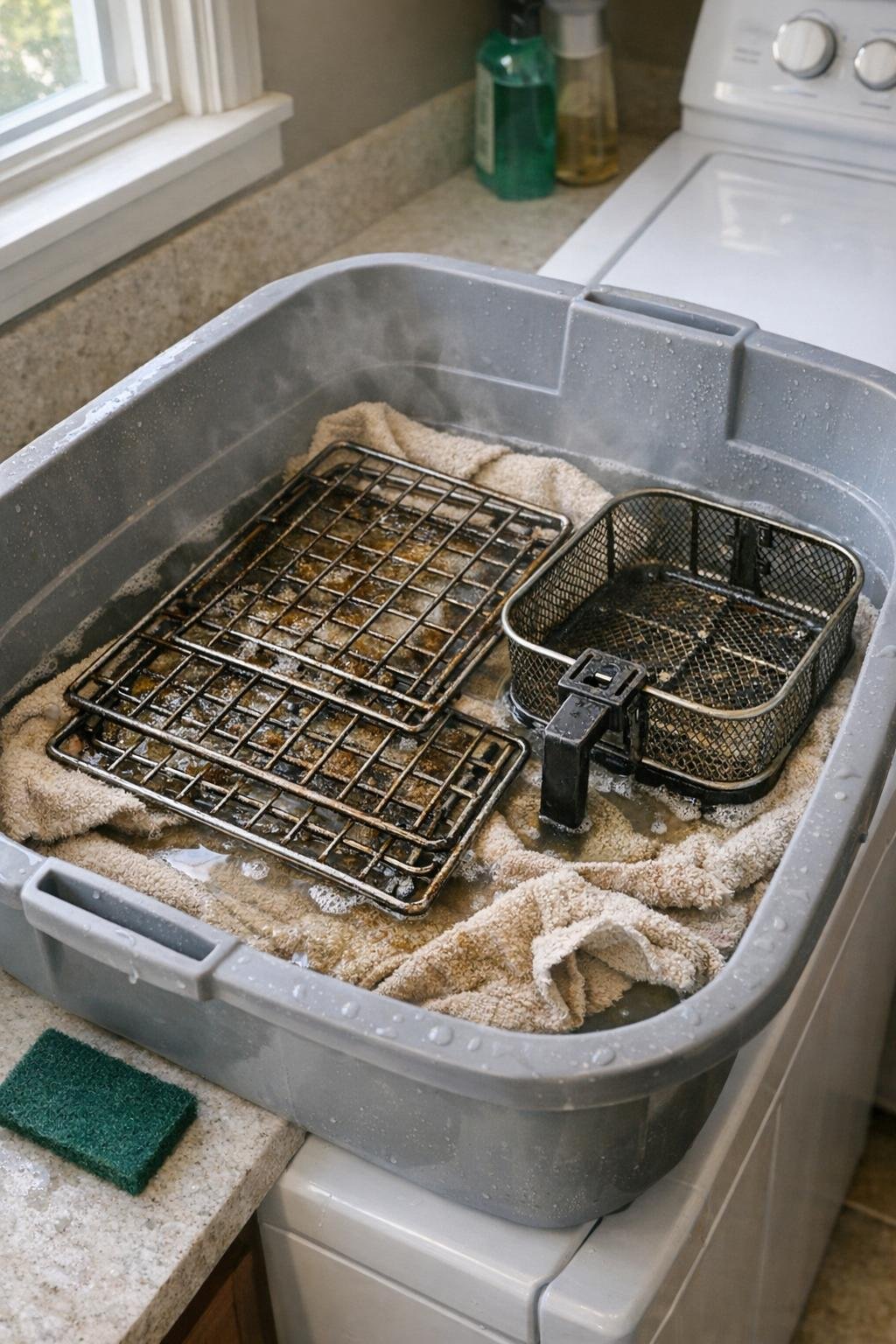
When oven racks or air-fryer baskets get coated in sticky brown grease, I set them in a bathtub, large utility sink, or storage tote lined with an old towel to prevent scratches. Then I fill with very hot water—enough to cover the pieces—and dissolve 1 dishwasher pod per 2 to 3 gallons of water. A 2-hour soak is usually enough; for heavy buildup, I leave them overnight.
After soaking, I use a non-scratch scrub pad to loosen what’s left, then rinse every corner well and dry completely before putting them back. This works best on stainless steel or chrome-coated pieces that are fully water-safe. Skip any parts with exposed electrical components or delicate finishes.
2. Strip baked-on residue from casserole dishes and sheet pans
For glass or glazed ceramic casserole dishes and sturdy stainless steel sheet pans, I add very hot water to cover the baked-on area, then dissolve part of a dishwasher pod or use 1 full pod for a deep soak in the sink. After 30 to 45 minutes, the cooked-on film usually softens enough that I can lift it with a nylon scraper instead of scraping forever.
I’ve had the best luck doing this right after a roasting session, when the residue is still fresh. Rinse thoroughly, then wash again with regular dish soap before reuse. Avoid nonstick pans with scratched coatings, and don’t use this on bare aluminum sheet pans, which can discolor.
3. Clean outdoor trash and recycling bins after hot-weather odors
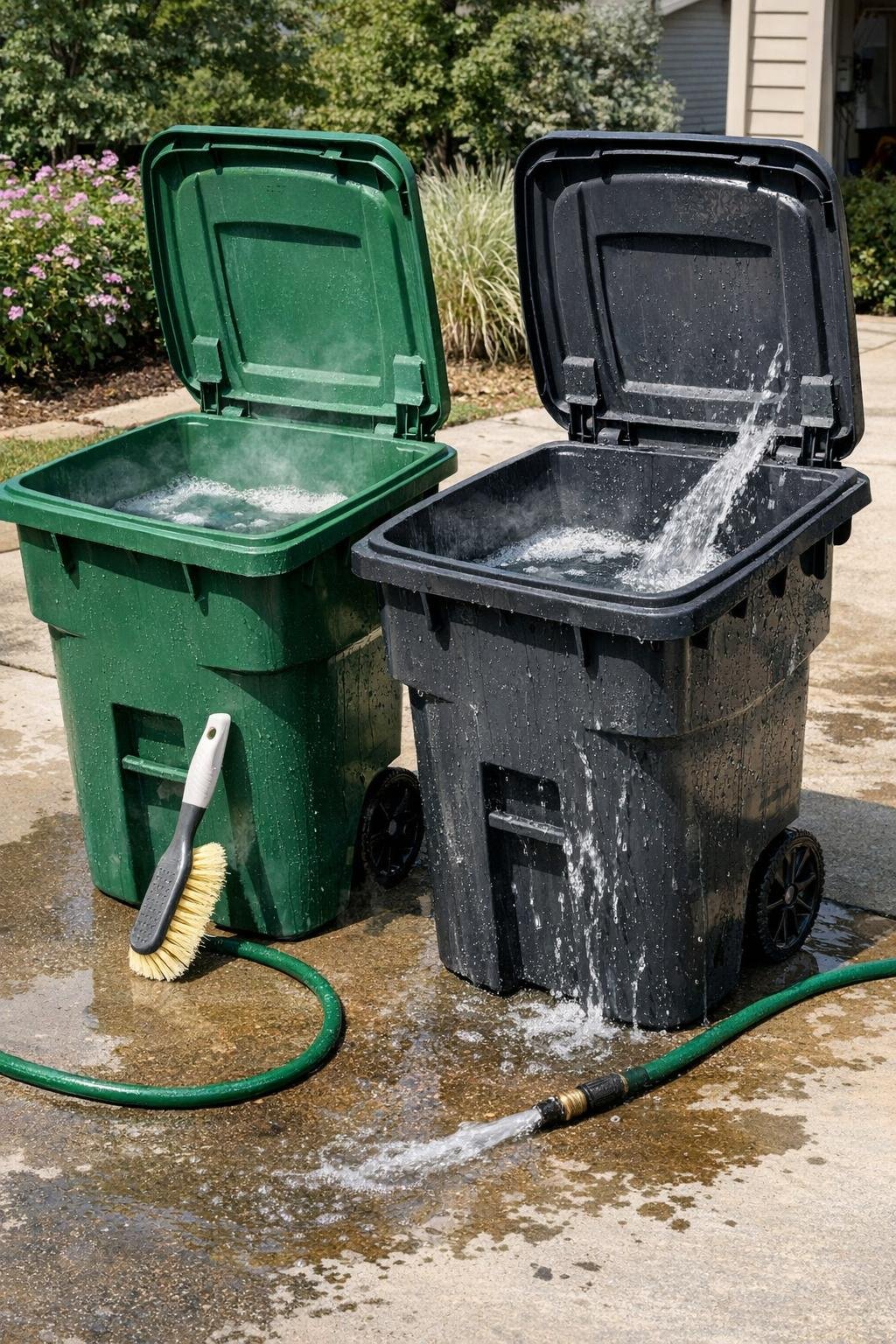
Late summer is when outdoor bins really earn their reputation. I hose out loose debris first, then fill the bottom with 2 to 3 inches of hot water and dissolve 1 dishwasher pod inside each bin. After letting that solution sit for 20 to 30 minutes, I scrub the lid, corners, and wheel area with a deck brush or long-handled scrub brush.
Once the inside looks clean, I rinse thoroughly and leave the bins open in the sun to dry fully. This is a great reset before cooler weather, but only for hard plastic bins with no absorbent liners or paper labels inside. Always wear gloves, and don’t mix the pod with bleach or any other cleaner.
4. Wash patio side tables and resin outdoor furniture before storage
Before I stack outdoor pieces away for the season, I use a bucket with 1 dishwasher pod dissolved in about 1 gallon of warm water to cut through pollen, sunscreen smudges, drink rings, and general grime. It works especially well on resin side tables, plastic chair arms, and other smooth outdoor surfaces that get tacky by August.
I wipe with a microfiber cloth or soft sponge, then rinse with clean water and dry with an old towel so water spots don’t set. This is for resin and hard plastic only—not painted wood, untreated teak, or fabric cushions. If I’m unsure about the finish, I test a small hidden spot first.
5. Remove tea and coffee stains from ceramic mugs and insulated drink lids
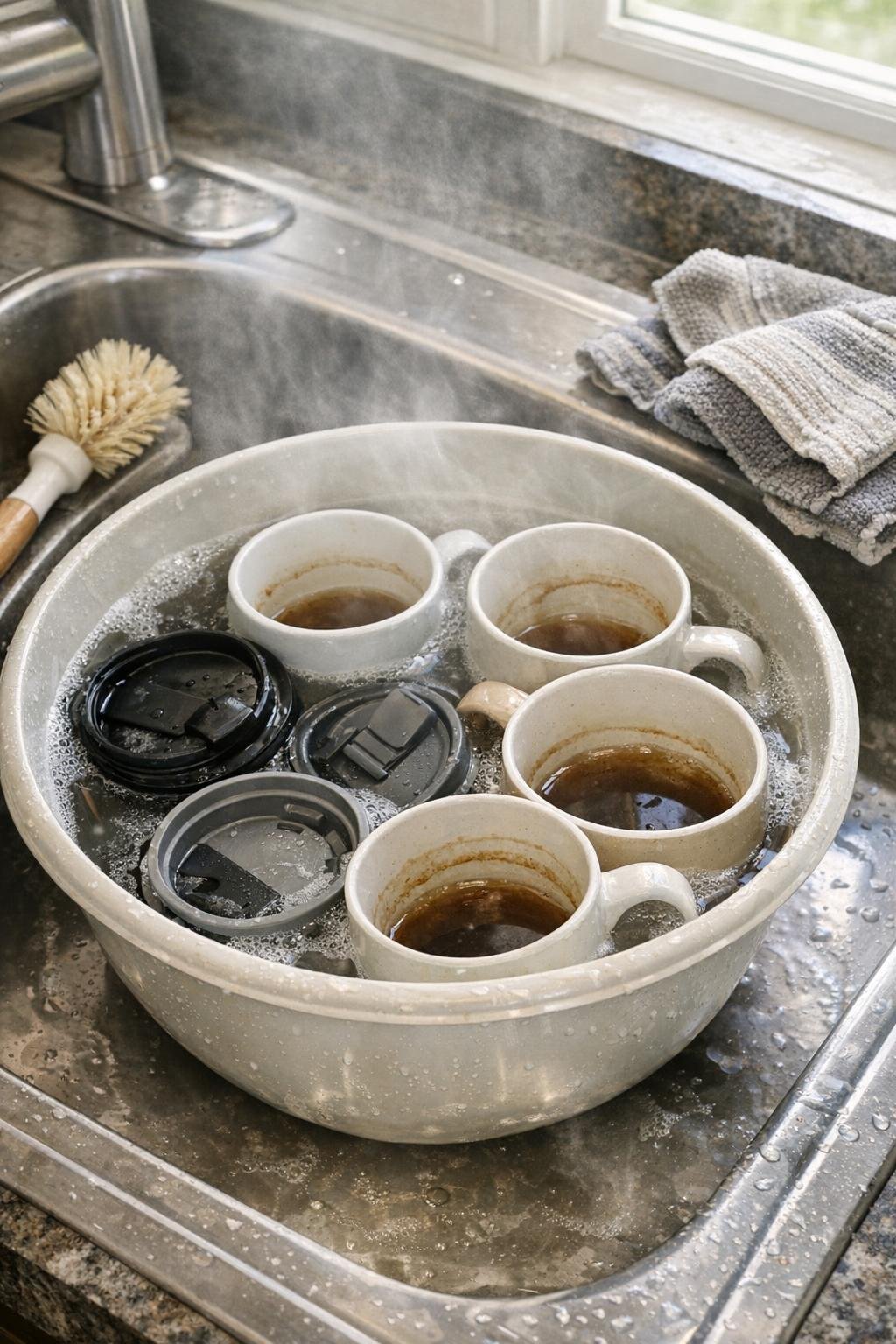
Tannin stains inside white mugs can make a clean kitchen look dingy fast. I fill stained ceramic mugs with hot water, add a small piece of a dishwasher pod or a bit of dissolved solution, and let them sit for 15 to 20 minutes. For hard plastic or metal insulated drink lids, I soak them separately in a bowl so the seams and sliding parts get loosened up too.
After soaking, I scrub with a bottle brush or small dish brush, then rinse extremely well—especially around lid gaskets and sip openings. This is one of the few pod tricks I use regularly because it saves elbow grease. I do avoid soaking decorated mugs with delicate printed finishes for long periods.
6. Degrease range-hood filters
Range-hood mesh filters are one of those jobs I forget until the grease is obvious. I remove the filter, place it in the sink or a shallow dish tub, and pour over enough very hot water to cover it, then dissolve 1 dishwasher pod. After a 20-minute soak, I gently scrub both sides with a soft brush, paying attention to the frame and corners where grease collects.
Rinse until the water runs clear, then let the filter dry completely before reinstalling it. This works best on stainless steel or aluminum-look filters that the manufacturer says are washable, but I still check the manual first. If the filter is flimsy or has charcoal components, I skip the soak and replace it instead.
7. Cut soap scum on glass shower doors
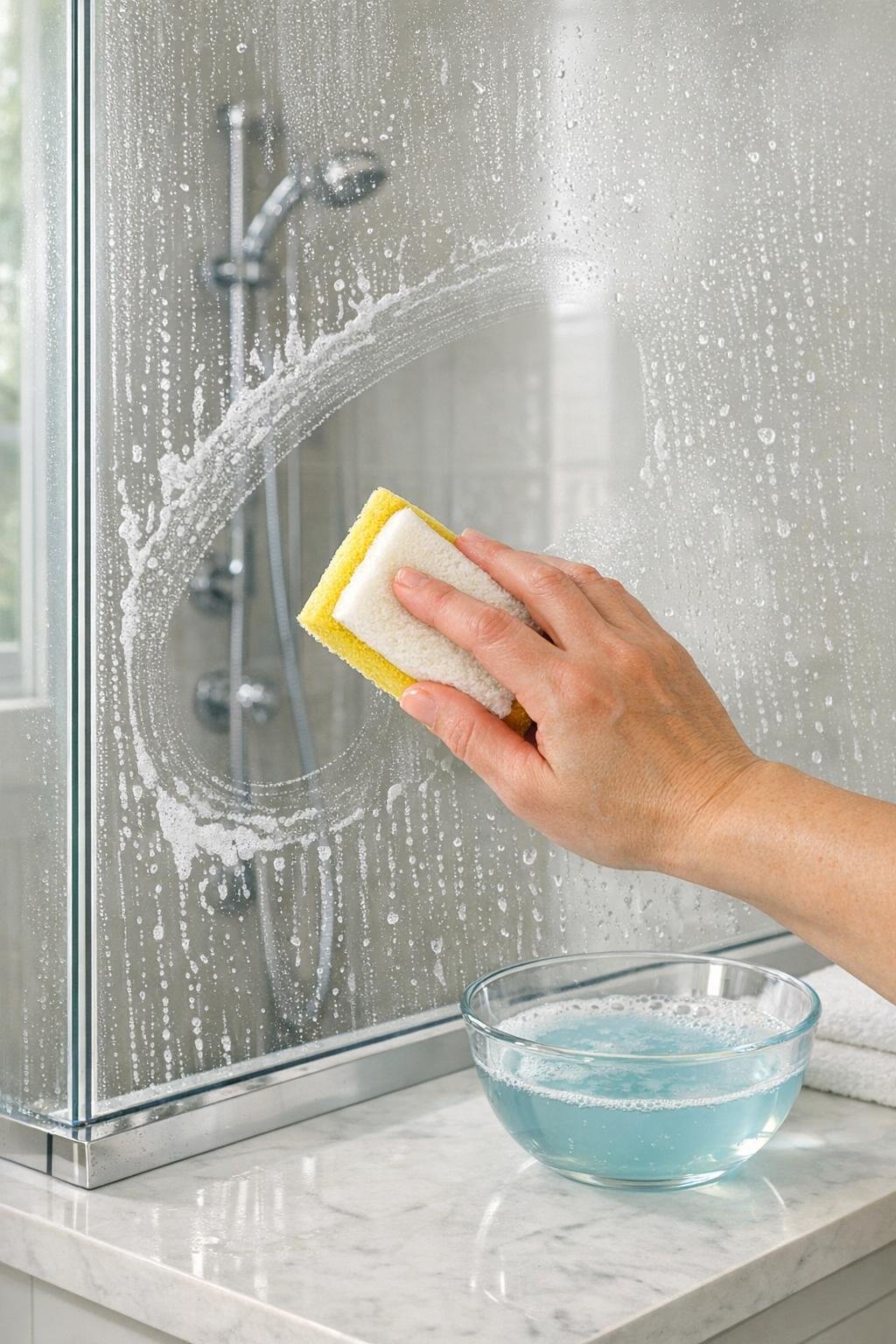
This one surprised me, but it’s useful when shower glass has that cloudy film from hard water and body product residue. I dissolve a small amount of a dishwasher pod in a bowl of warm water, dip in a non-scratch sponge, and wipe down the glass door section by section. Let it sit for about 5 minutes, then scrub lightly and rinse thoroughly with clean water.
I finish by drying the glass with a microfiber cloth to prevent new spots. This is best for plain glass and metal framing, not natural stone tile, sealed stone floors, or etched decorative glass. Because dishwasher detergent is strong, I keep it off porous surfaces and never leave it sitting too long.
8. Freshen hard plastic refrigerator bins and crisper drawers
Refrigerator drawers seem to collect sticky spills, onion smell, and leafy bits in the corners. I remove the hard plastic bins, let them come closer to room temperature for 10 to 15 minutes so they’re less likely to crack, then soak them in warm—not piping hot—water with a bit of dissolved dishwasher pod for about 15 minutes.
After that, I wipe the tracks, handles, and corners with a soft sponge, rinse thoroughly, and dry completely before sliding them back in. This is a smart reset before produce-heavy fall cooking starts up again. I only do this with removable hard plastic parts, never with fixed refrigerator components or anything that isn’t fully water-safe.
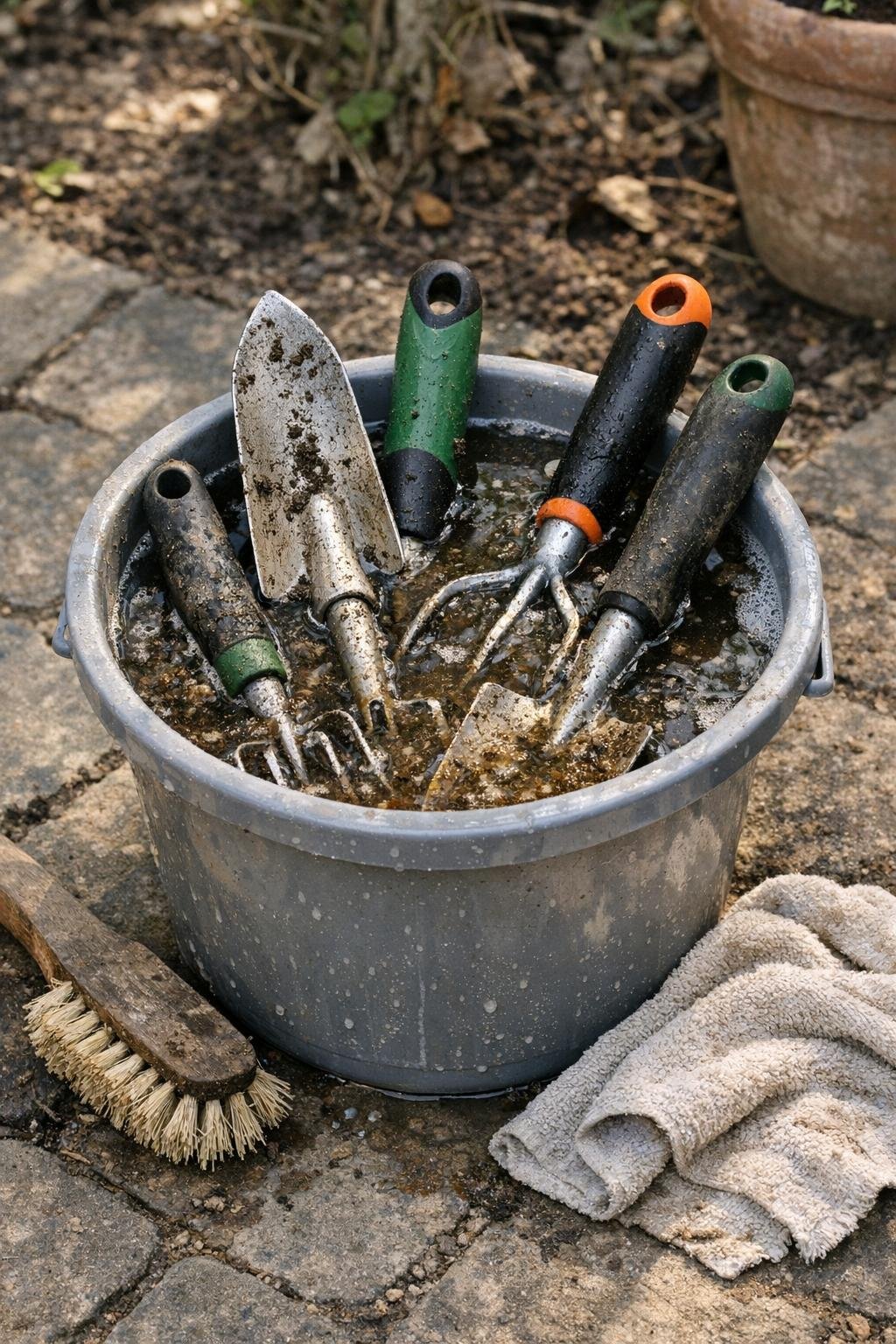
9. Soak grime off gardening hand tools with plastic or metal handles
At the end of summer, my hand trowel, pruners, and weeding fork usually have a layer of dried soil mixed with sap and fertilizer dust. For tools with metal or plastic handles, I soak just the dirty tool heads—or the whole tool if it’s fully rust-resistant—in a bucket of warm water with 1 dishwasher pod for 15 to 30 minutes, then scrub with a stiff brush.
Rinse well and dry immediately to prevent rust, especially around hinges and springs. This is handy for sturdy garden tools, but not for wood-handled tools, leather grips, or anything with a delicate coating. If I’m cleaning pruners, I dry them thoroughly and add a tiny drop of oil to the pivot afterward.
10. Clean drip pans and removable stove grates
Drip pans and removable stove grates can get coated in a mix of grease, sauce splatter, and carbonized crumbs. I place them in a deep sink or plastic bin, add very hot water, and use 1 dishwasher pod for every 2 gallons of water. Letting them soak for 1 to 2 hours softens the mess enough that a nylon brush can usually take care of the rest.
Rinse thoroughly and dry fully before putting them back over the burners. This works well on enamel-coated grates and sturdy drip pans, but I avoid using pods on cast iron grates unless the manufacturer specifically says they can be soaked. If a finish looks chipped or worn, I go gentler to avoid making it worse.
Dishwasher pods are definitely not an all-purpose cleaner, but for the right durable, rinseable items, they can make some very specific dirty jobs much easier. I stick to targeted uses like these, rinse thoroughly every time, and save myself a lot of scrubbing in the process.
