
I have never liked the idea of fogging my home with harsh sprays when a windowsill full of good, useful plants can do so much of the work instead. Out here in the Midwest, we’ve always leaned on what grows well and smells strong—herbs by the back step, flowers by the porch, and a pot or two in the kitchen where the sun comes in. A great many pests, from mosquitoes and moths to spiders and pantry nuisances, simply do not care for certain plant oils and natural compounds.
So if you want a gentler way to make your home less inviting to creepy-crawlies, here are 20 potted plants worth bringing indoors or keeping right by the door. I’m sharing exactly what each one helps repel, where I’d set it in the house, and how to keep it happy in a real home without fuss.
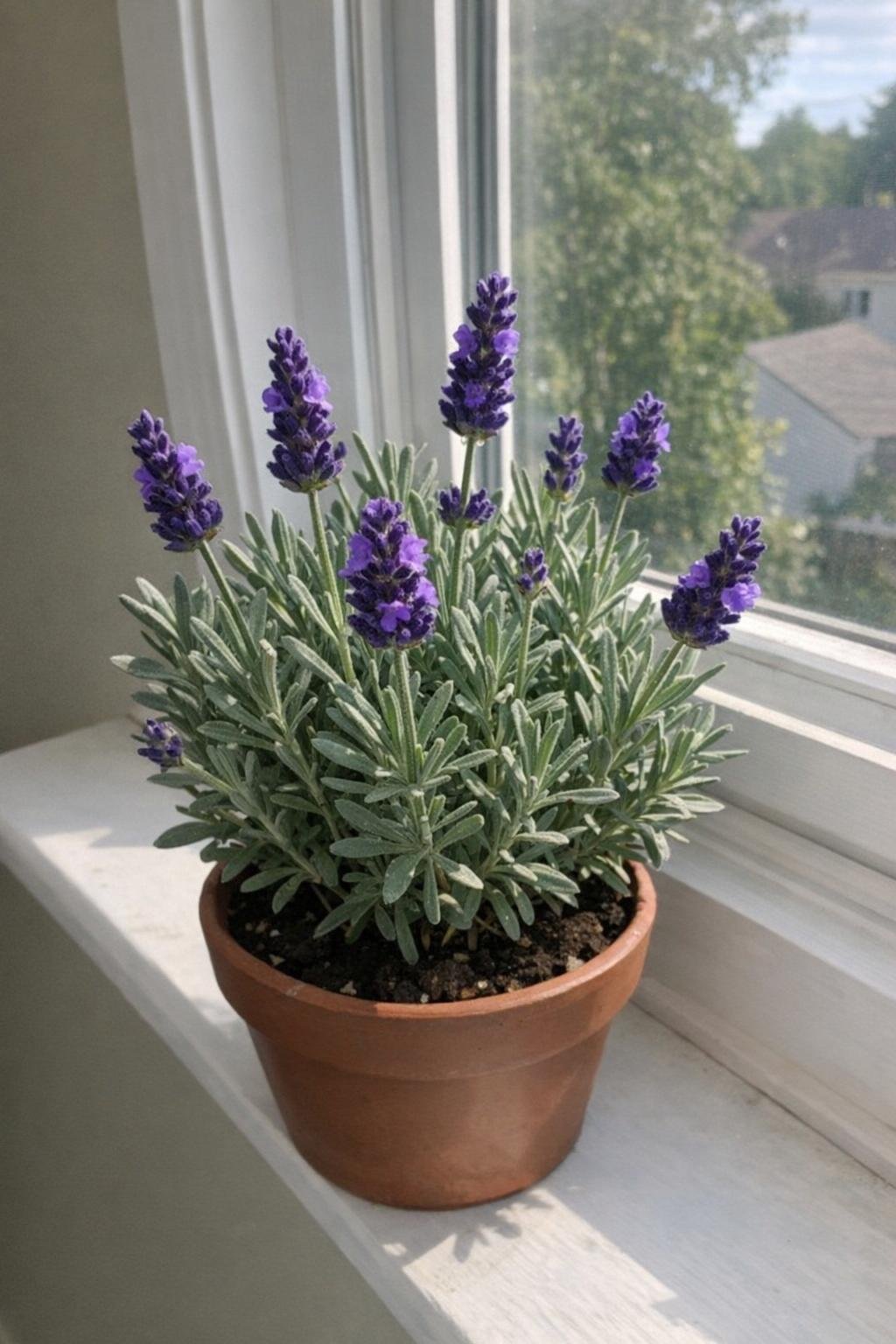
1. Lavender
Lavender is one of the prettiest workhorses I know. Its strong floral scent comes from oils like linalool and linalyl acetate, and that fragrance helps discourage moths, fleas, flies, and mosquitoes. I like to keep a 6- to 8-inch pot on a bright bedroom sill or near a sunny entry where the air moves a little when the door opens.
Indoors, give lavender at least 6 hours of direct sun and let the top inch of soil dry before watering again; soggy roots will finish it off faster than anything. As a bonus, a few clipped stems tucked into a small bowl can make a room smell clean and old-fashioned in the best possible way.
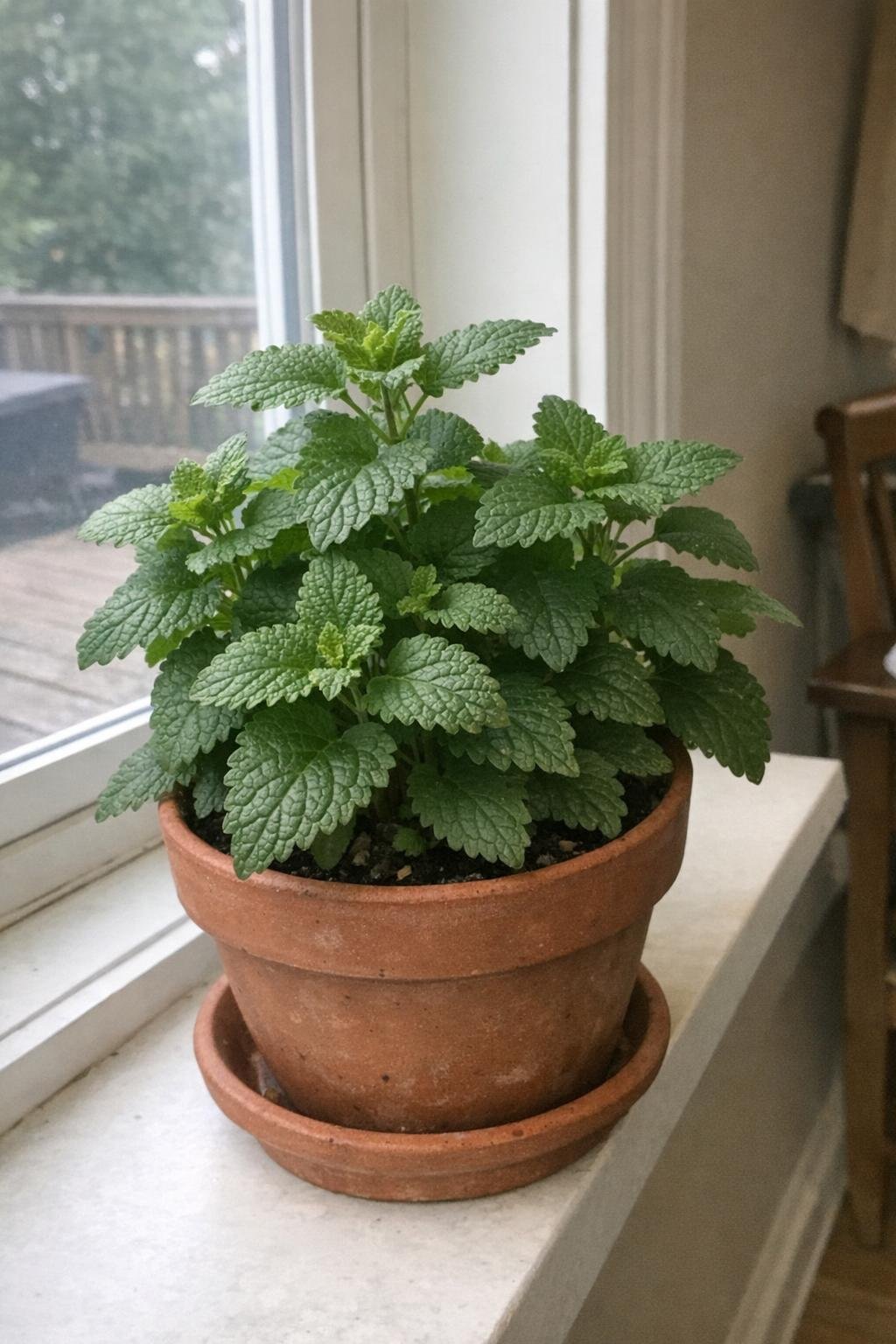
2. Lemon balm
Lemon balm carries a fresh citrus scent that many pests don’t enjoy, and it’s especially useful against mosquitoes when the leaves are lightly bruised. I keep it in a pot rather than turning it loose, because like mint it can get ambitious, and a sunny breakfast nook or windowsill suits it just fine.
It likes bright light, regular watering, and an occasional trim to keep it full instead of lanky. My favorite bonus is tea: a few leaves steeped in hot water for 5 to 7 minutes make a gentle cup that always reminds me of summer afternoons.
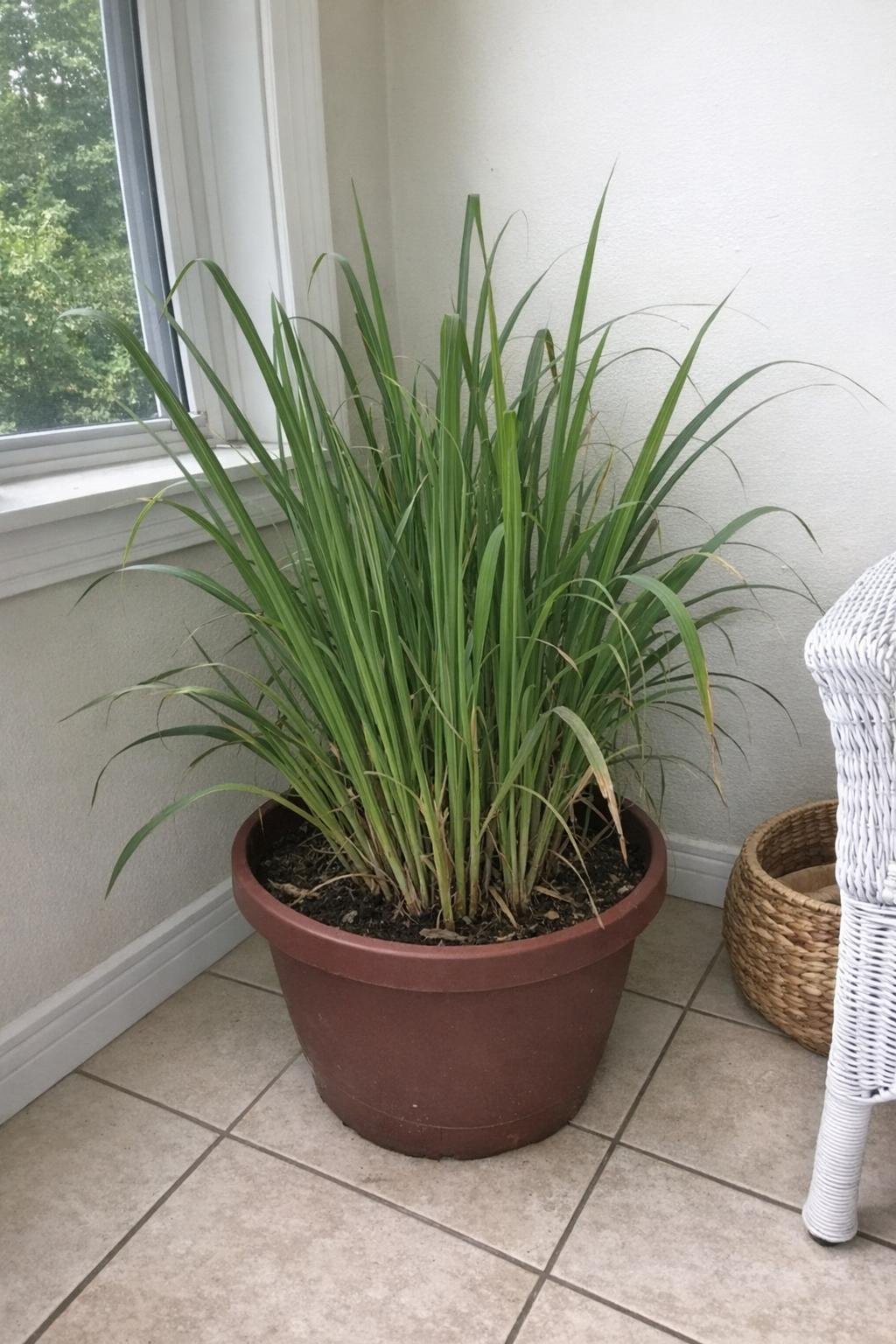
3. Lemongrass
Lemongrass is the plant many folks associate with citronella, and for good reason—its lemony oils help make mosquitoes think twice about hanging around. I think it does best in a sturdy pot at least 10 to 12 inches wide, set in the brightest room you have or on a screened porch near the door.
It likes warmth, strong light, and regular watering, though I still let the top inch of soil dry slightly between drinks. If you cook much at all, the stalks are wonderful in soup broth, curry, or a pot of rice, so this one earns its keep twice over.
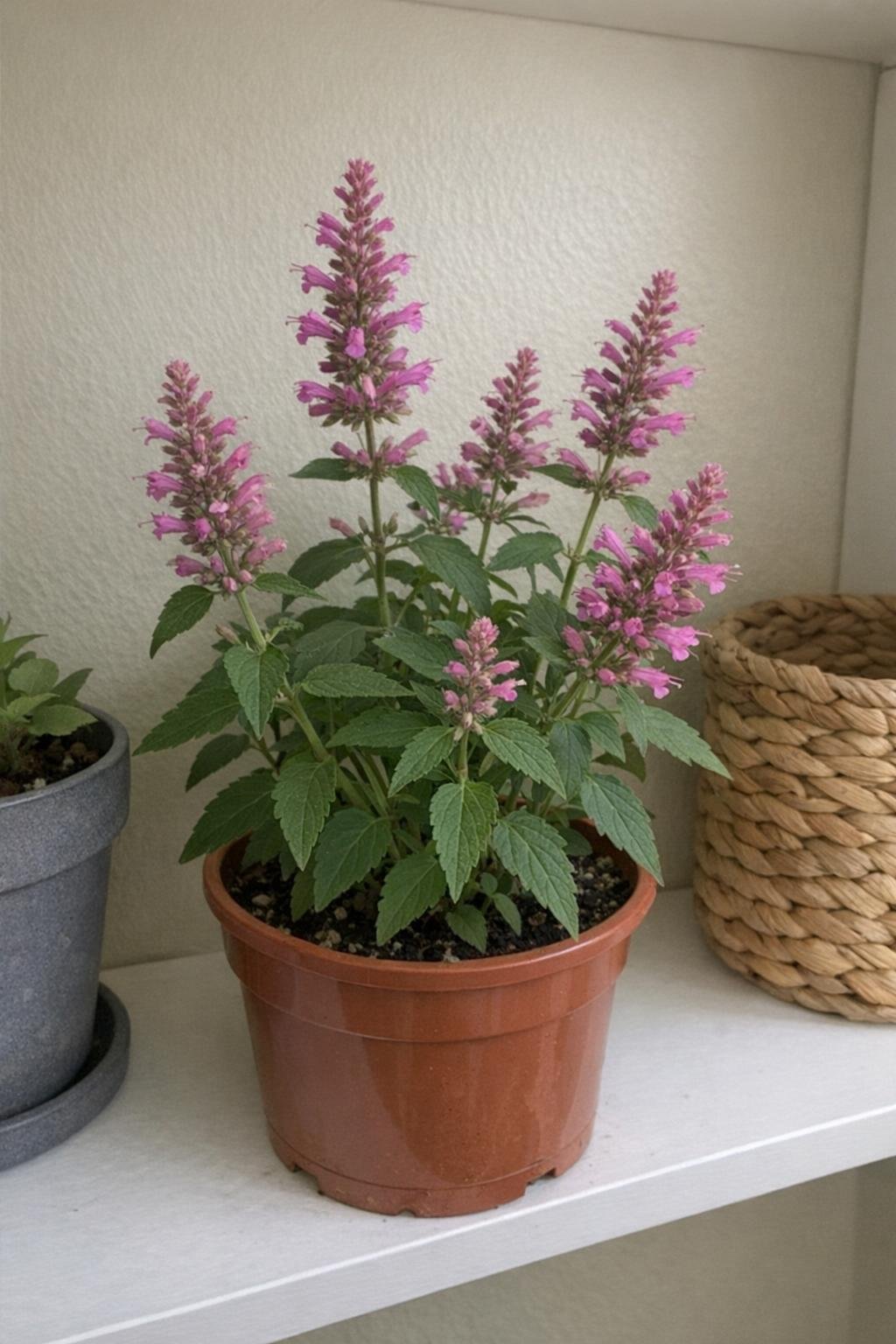
4. Agastache cana
Agastache cana, often called mosquito plant, has a soft look a bit like lavender but with its own sweet herbal fragrance that mosquitoes dislike. I find it especially nice by a sunny living room window or near a back door where you can brush past it and release some of that scent into the air.
Give it a pot with very good drainage, plenty of sunshine, and only moderate water; it prefers not to sit wet. Its blooms are lovely to look at, too, so you get a plant that pulls decorative duty while quietly helping make the room less appealing to biting pests.
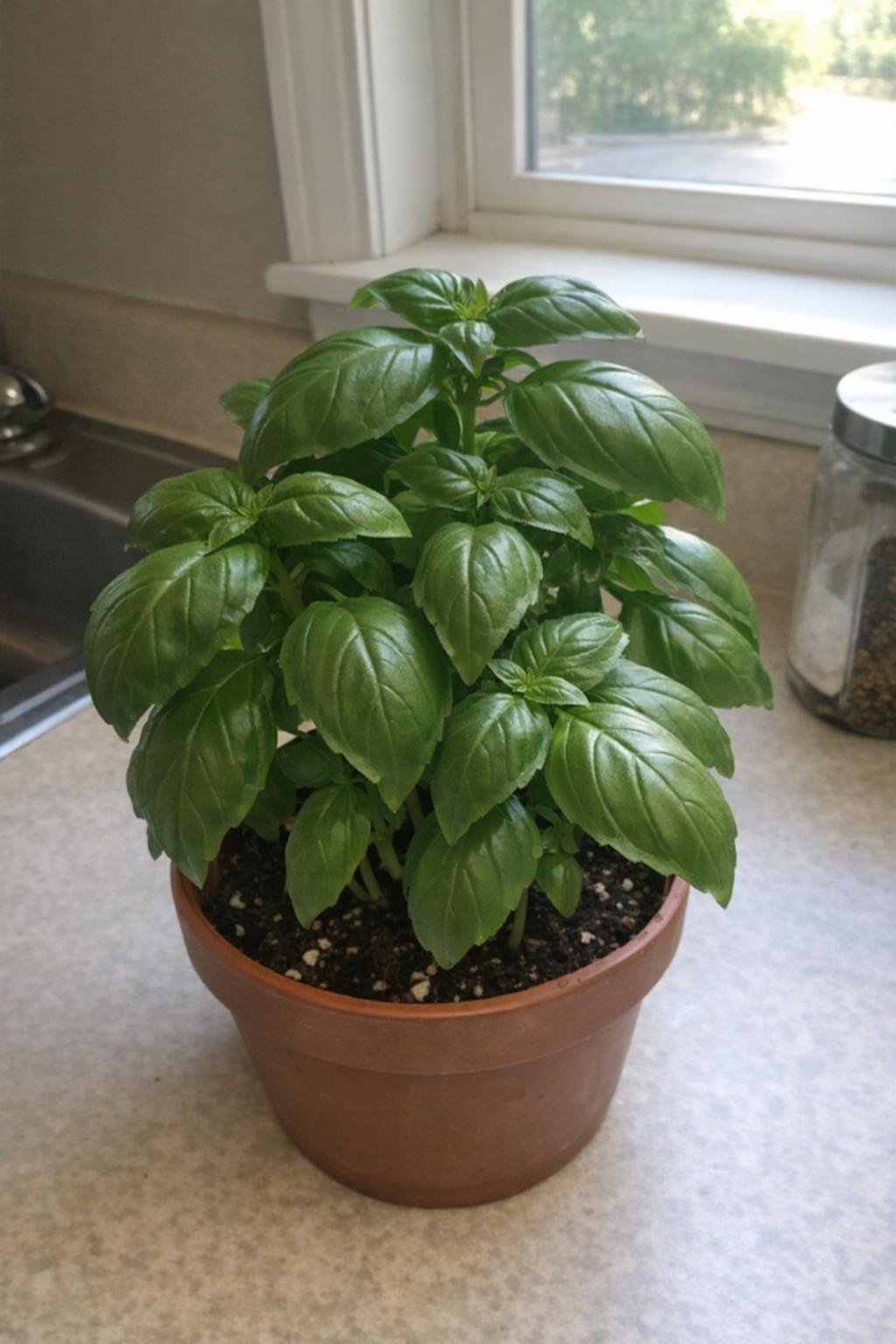
5. Basil
Basil is one of my favorite practical plants because flies and mosquitoes dislike its strong aromatic oils, while cooks like me use it every chance we get. A small pot on the kitchen counter by a south or west window is just about perfect, especially in summer when the leaves grow quickly.
Keep the soil lightly moist, pinch off flower buds so the plant stays leafy, and give it 6 hours or more of bright sun if you can. Fresh basil in tomato salads, pasta sauce, or a sandwich is reason enough to grow it, and the pest-repelling scent is a fine extra blessing.
6. Rosemary
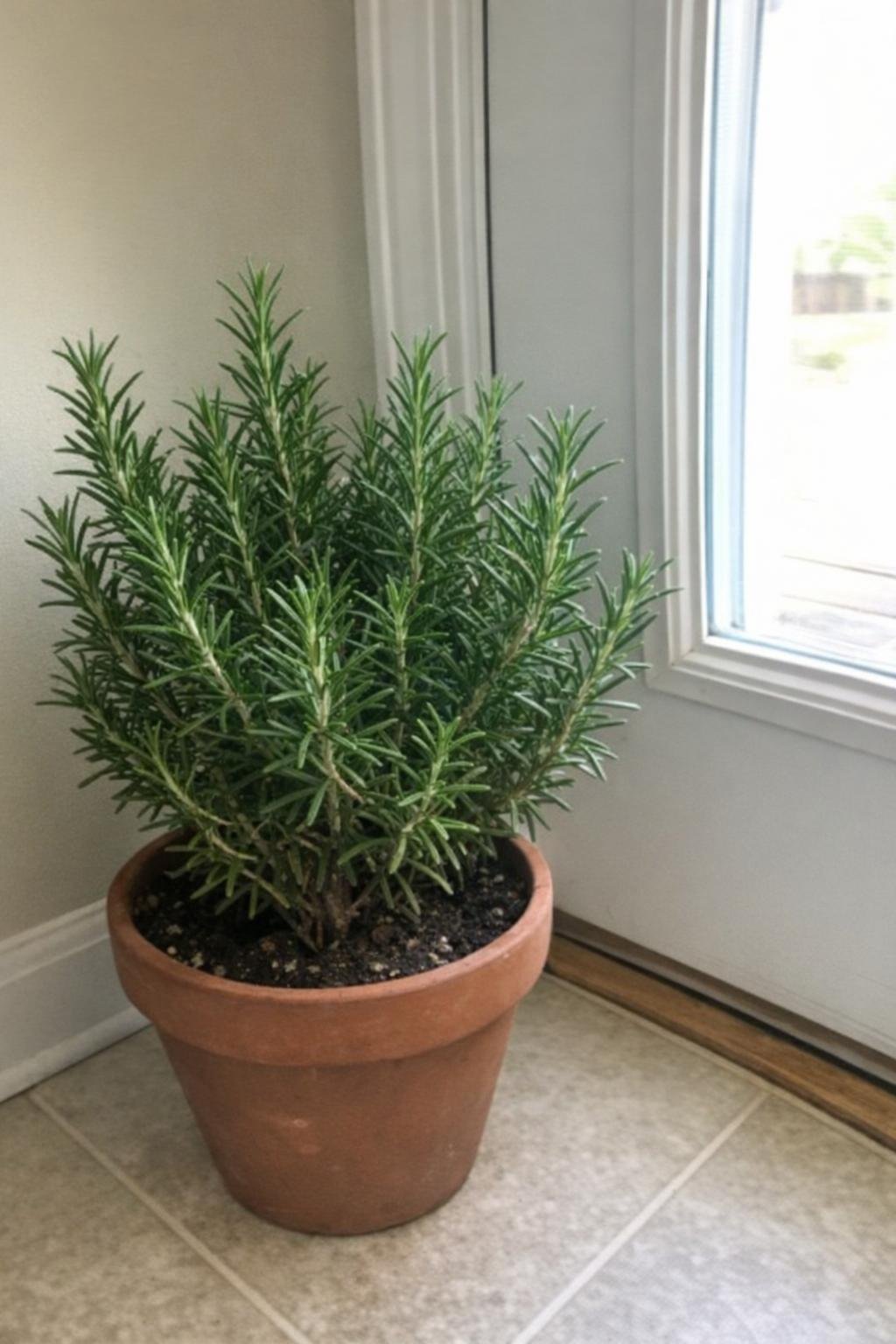
Rosemary has a resinous, piney scent that many bugs prefer to avoid, and I’ve long liked keeping a pot of it near the kitchen door. It can help discourage general insect traffic indoors, and clipped sprigs are handy for roast potatoes, chicken, breads, and winter soups.
Use a terracotta pot if you can, give it strong sun for at least 6 hours, and let the soil dry a little between waterings. Rosemary hates wet feet, so I’d much rather underwater it slightly than fuss over it too much.
7. Peppermint
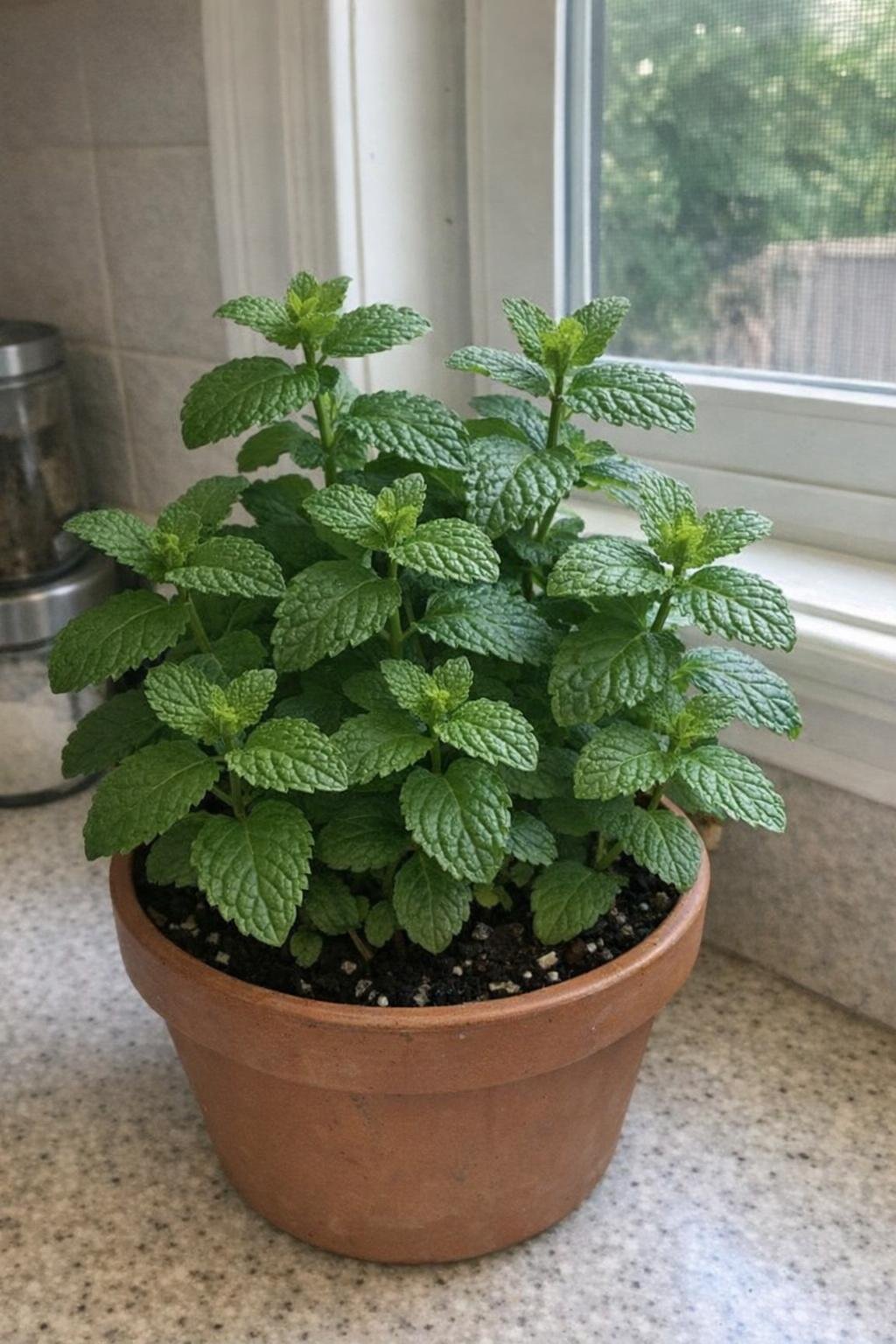
Peppermint has that crisp menthol smell from menthol and menthone, and pests like mosquitoes and spiders tend to avoid it. This is one I always keep in its own pot, because if you give it a chance outdoors it will run all over the place, but in a 6- to 10-inch container on a kitchen sill it behaves itself nicely.
It likes bright light and evenly moist soil, so I water when the surface just begins to dry and pinch back the tips every week or two to keep it bushy. The happy extra is that you can snip a handful for iced tea, fruit salad, or a simple garnish for summer desserts.
8. Marigolds
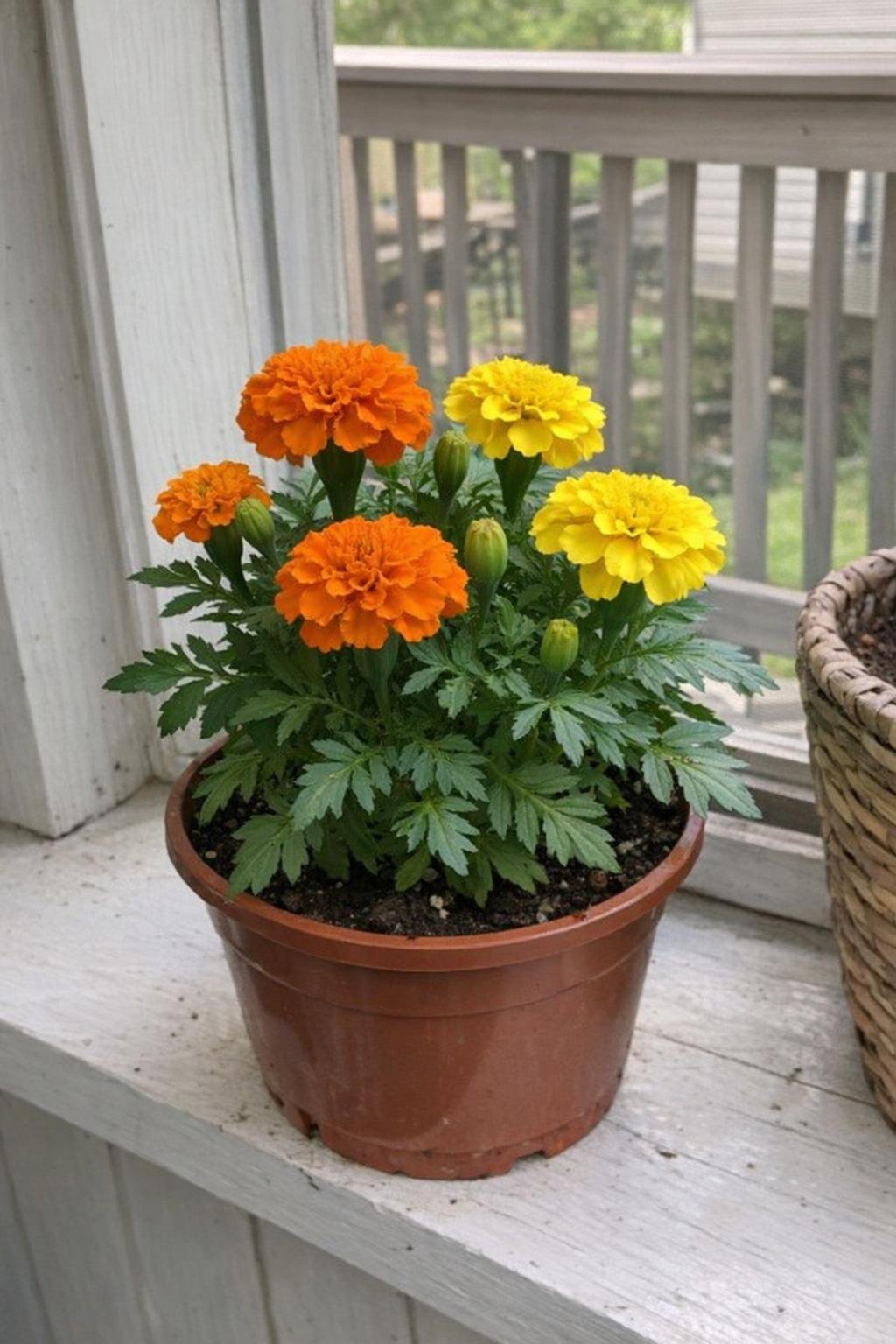
Marigolds contain pyrethrum, a natural compound that has been used in insect repellents for years, and their scent helps make indoor-outdoor thresholds less welcoming to pests. I like to keep a pot of them on the porch step, mudroom window, or the brightest sill in the house where they can get plenty of sun.
They need 6 or more hours of light, deadheading to keep blooms coming, and watering when the top inch of soil is dry. Their gold and orange flowers cheer up a room wonderfully, especially late in the season when everything outdoors starts to look tired.
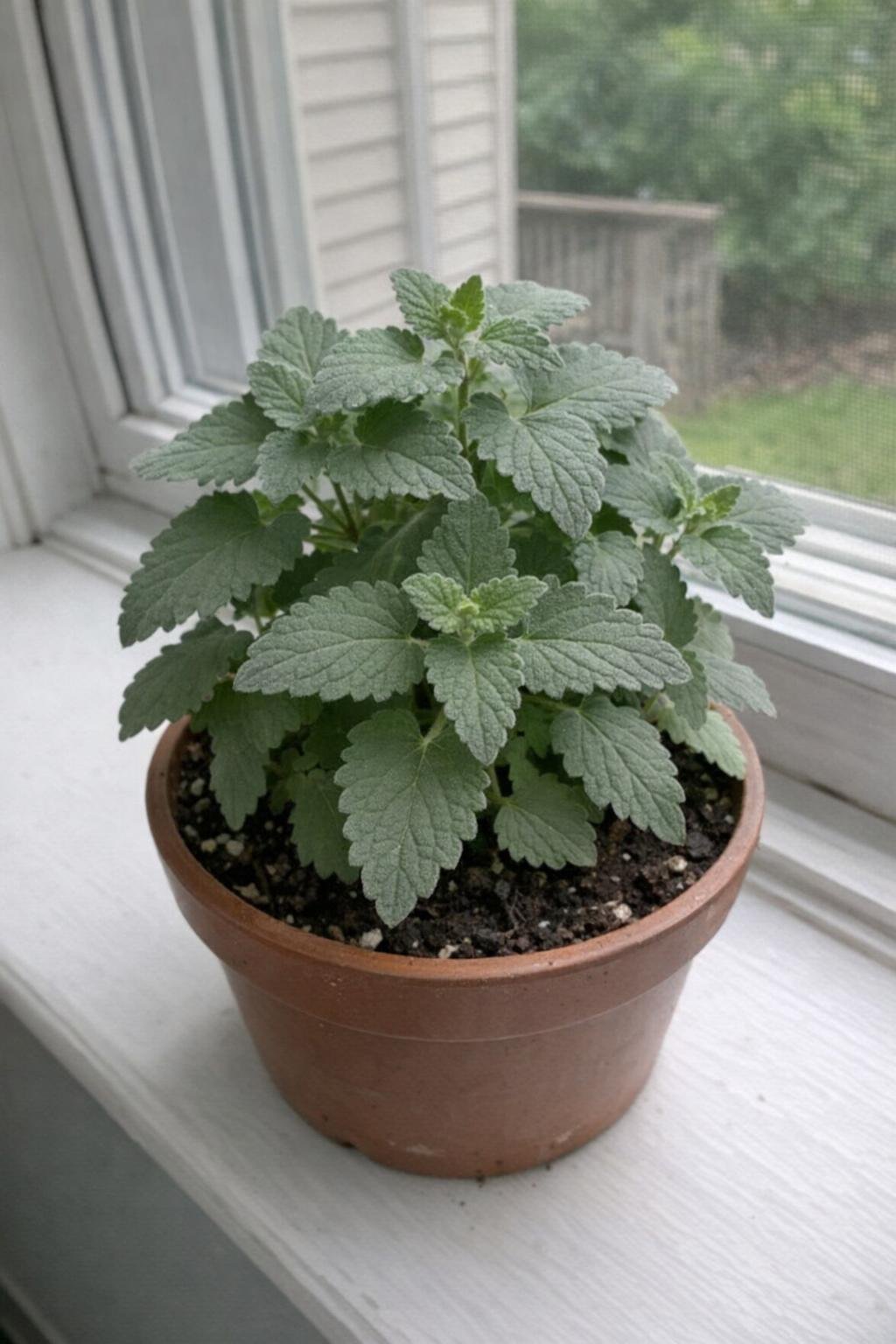
9. Catnip
Catnip contains nepetalactone, and studies have found that compound can be remarkably effective against mosquitoes; it also helps deter cockroaches. If you have room for one more pot in a bright window, this is a good candidate, though I’ll warn you now: if you also have cats, they may take a sudden and heartfelt interest.
Grow it in a 6- to 8-inch pot with good drainage, give it bright light, and water when the top inch of soil dries out. It’s an easy plant, and if you snip it back now and then it will stay compact instead of flopping all over the place.
10. Chrysanthemums
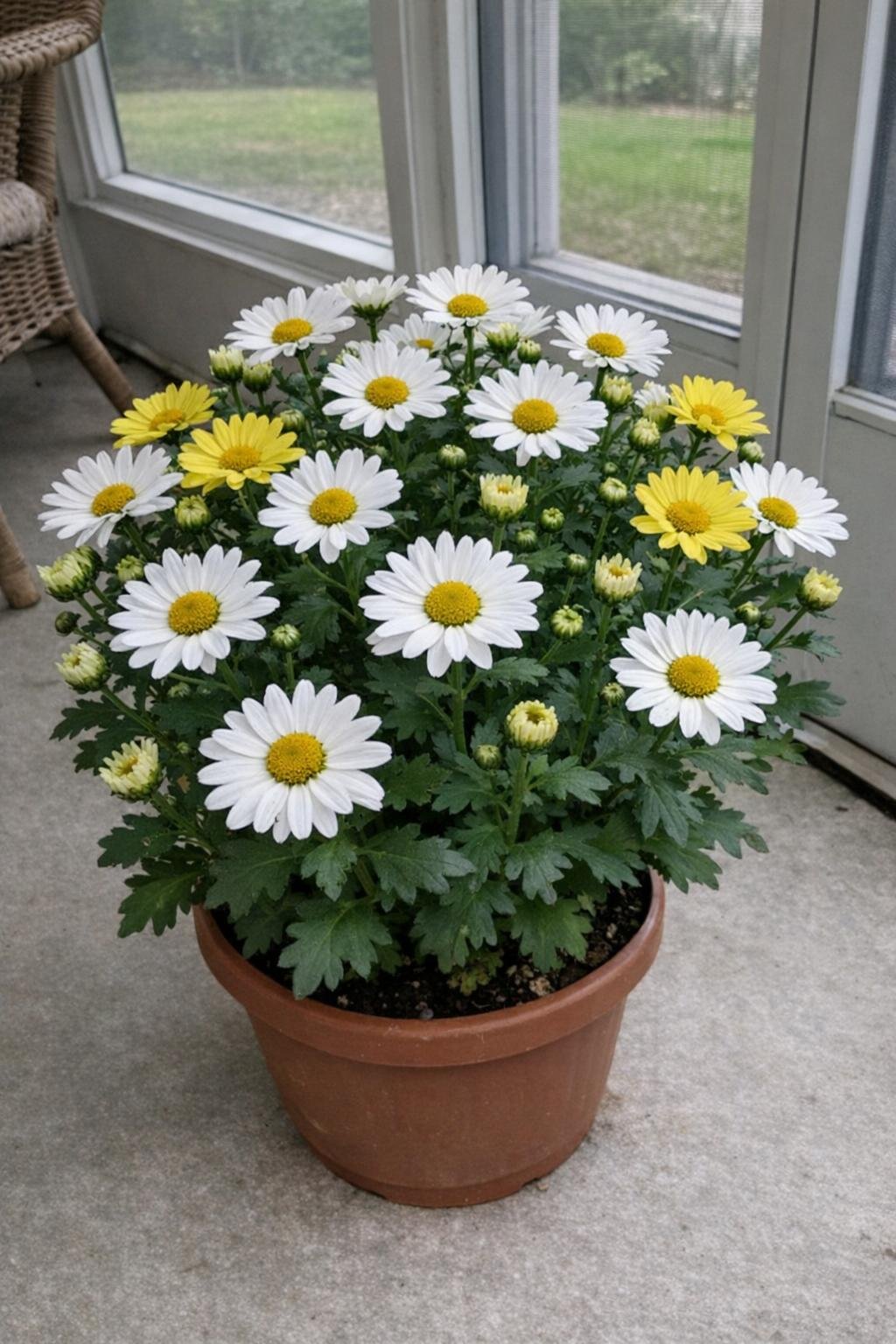
Chrysanthemums are the original pyrethrin flowers, and that natural compound is associated with repelling roaches, ants, ticks, and silverfish. I like a potted mum near the front entry or in a bright enclosed porch where insects may try to wander in from outside.
Keep the soil evenly moist but not soaked, and give it as much bright light as you can, ideally 5 to 6 hours or more. Even when I’m growing them mainly for utility, those big cheerful blooms make the house feel looked-after and welcoming.
11. Citronella-scented geranium
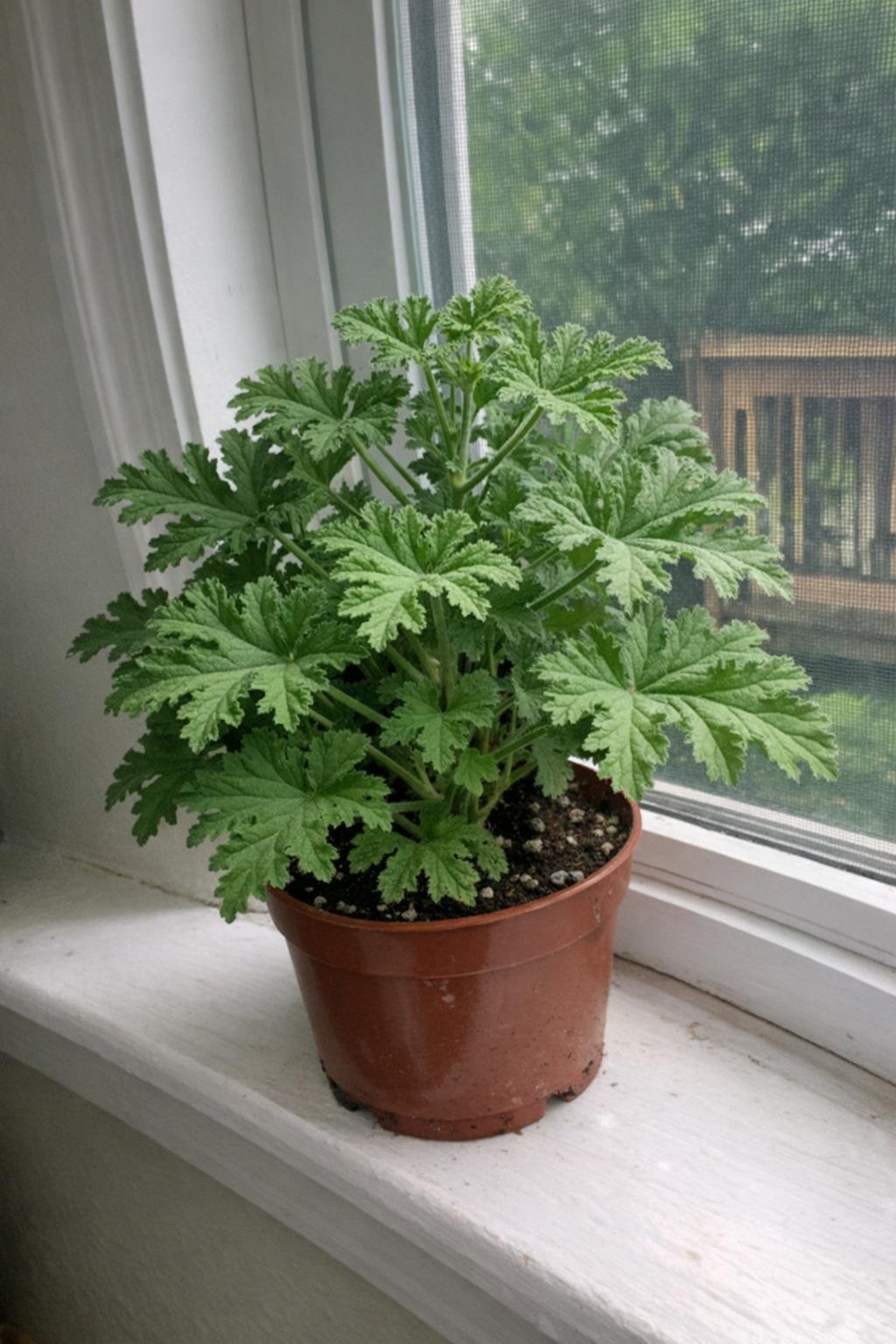
This citronella-scented geranium is a true potted favorite for windowsills because its lemony fragrance helps make the area less attractive to mosquitoes. I think it’s especially useful in a room where you often crack the windows in the evening, when mosquitoes seem to show up as if invited.
Give it bright direct sun, a pot with drainage, and water when the top 1 to 2 inches of soil are dry. The leaves are pleasantly scented when brushed, and the plant has a tidy, old-fashioned look that suits nearly any porch or kitchen window.
12. Eucalyptus
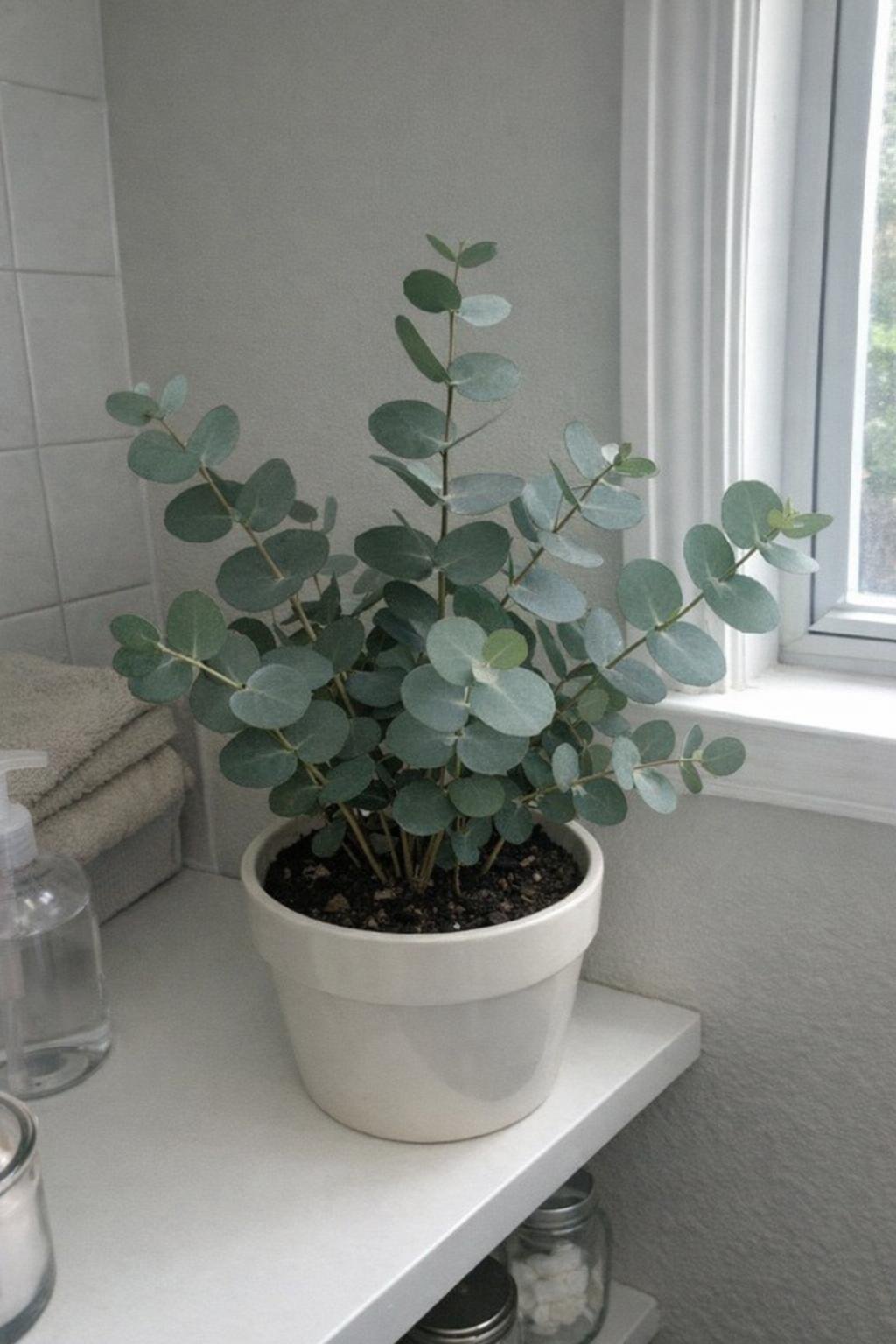
Eucalyptus has a clean, camphor-like scent that spiders and flies tend to dislike, and a young potted plant can do nicely in a bright room. I’ve also hung clipped stems in the bathroom shower, where the steam releases the fragrance, though the potted plant itself needs to live where it gets strong light.
Use a pot with sharp drainage, water thoroughly and then let the top inch dry, and turn it every week so it grows evenly. The silvery leaves are handsome enough all on their own, which makes this one feel more decorative than dutiful.
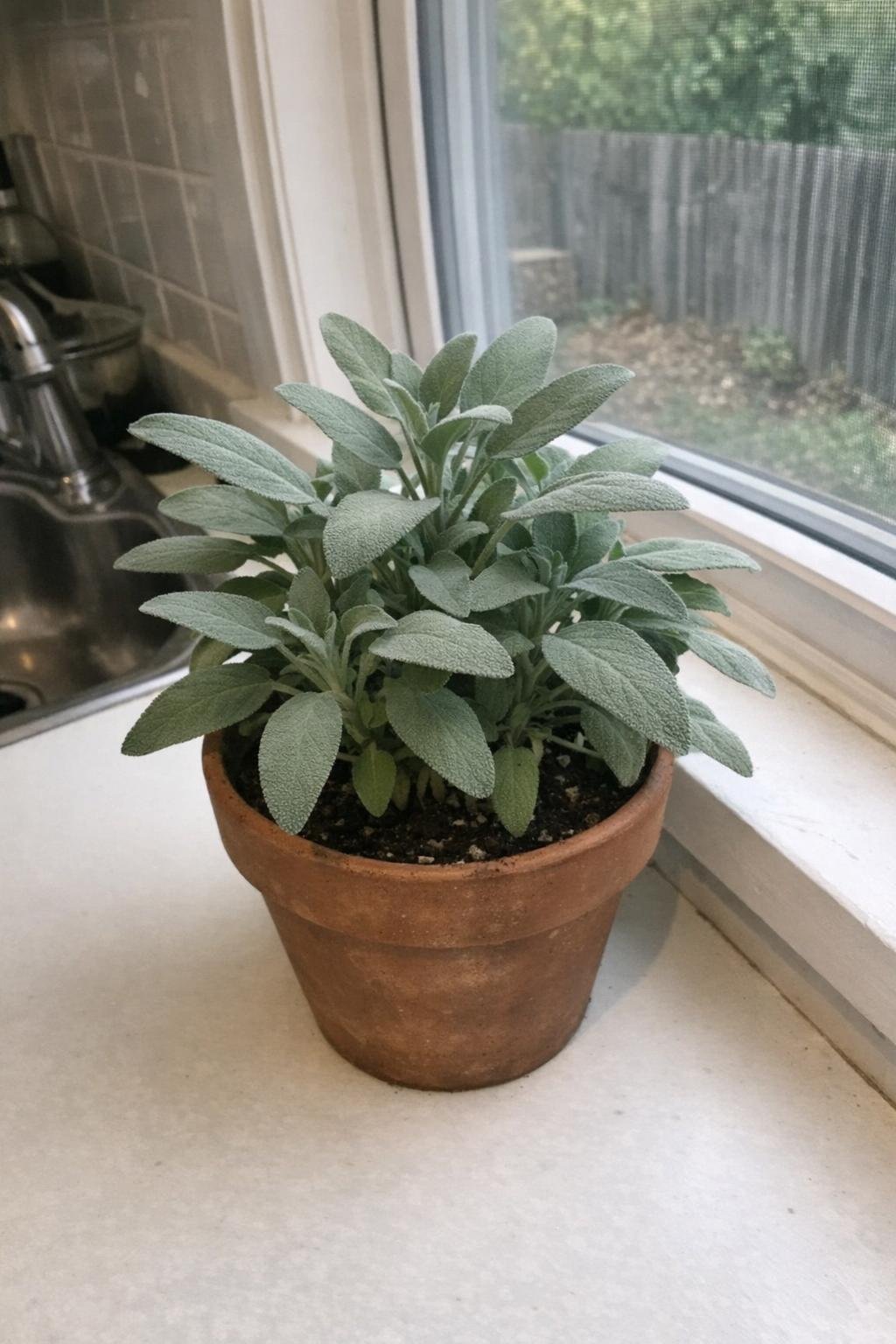
13. Sage
Sage has a strong earthy aroma that can help discourage moths and flies, and it’s one of those plants I think every cook ought to have close at hand. A small pot by a kitchen window works well, especially where it gets a good half day of sun.
Let the soil dry a bit between waterings and avoid overfeeding; sage likes a somewhat lean life. In summer, some folks dry a leaf and burn it briefly outdoors or near an open porch area for its scent, and fresh leaves are lovely with poultry, sausage, and browned butter dishes.
14. Chives
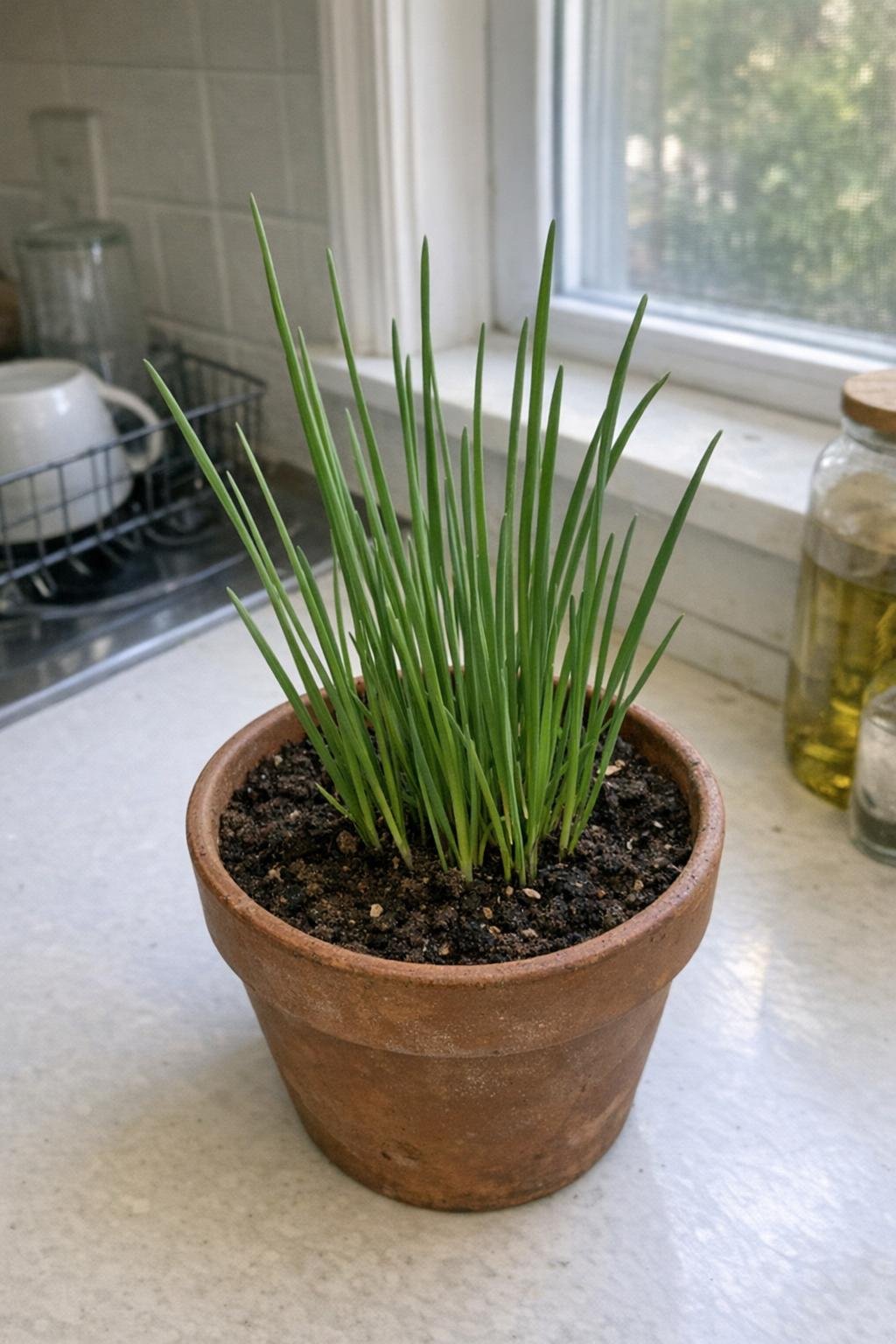
Chives are a fine kitchen plant with a mild onion scent that helps deter aphids, Japanese beetles, and carrot flies. Even indoors, I like to keep a clump in a 6-inch pot near the sunniest kitchen window because it stays neat and earns its place in omelets, potatoes, and cottage cheese.
Chives want bright light, regular water, and a trim every so often down to about 2 inches so fresh blades regrow tender. If the purple blooms appear, they’re lovely and useful too—just snip them into salads before they fade.
15. Thyme
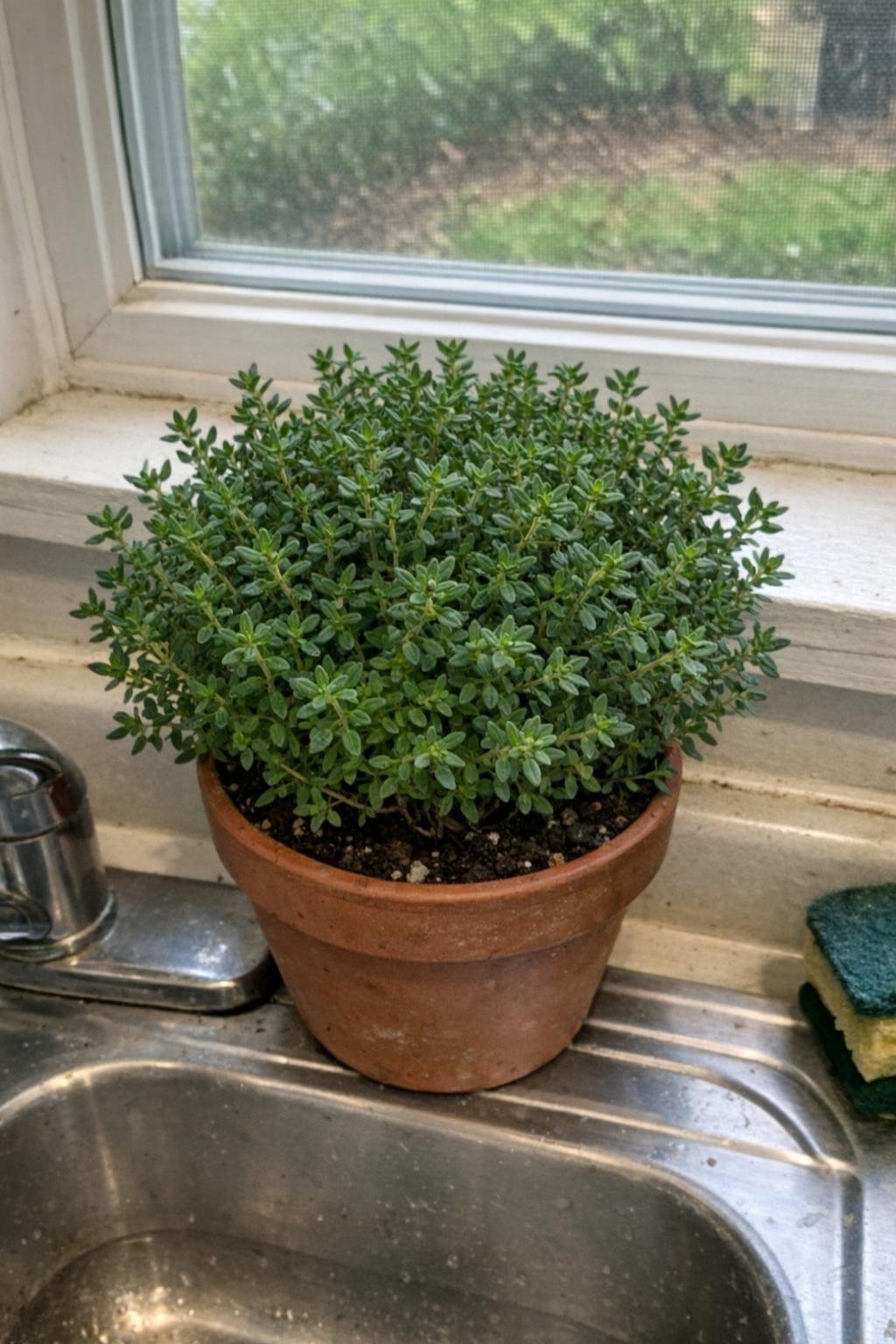
Thyme is a small plant with a mighty fragrance, and its aromatic oils can help make a spot less appealing to mosquitoes and whiteflies. I like it in a little clay pot on a sill above the sink, where the leaves stay dry and I can pinch off a sprig while I’m cooking.
Give thyme strong light and let the soil dry slightly between waterings; it would rather be a bit dry than too wet. If you crush a leaf lightly on the sill, the scent releases at once, and that old herb-garden smell is one I never tire of.
16. Bay laurel
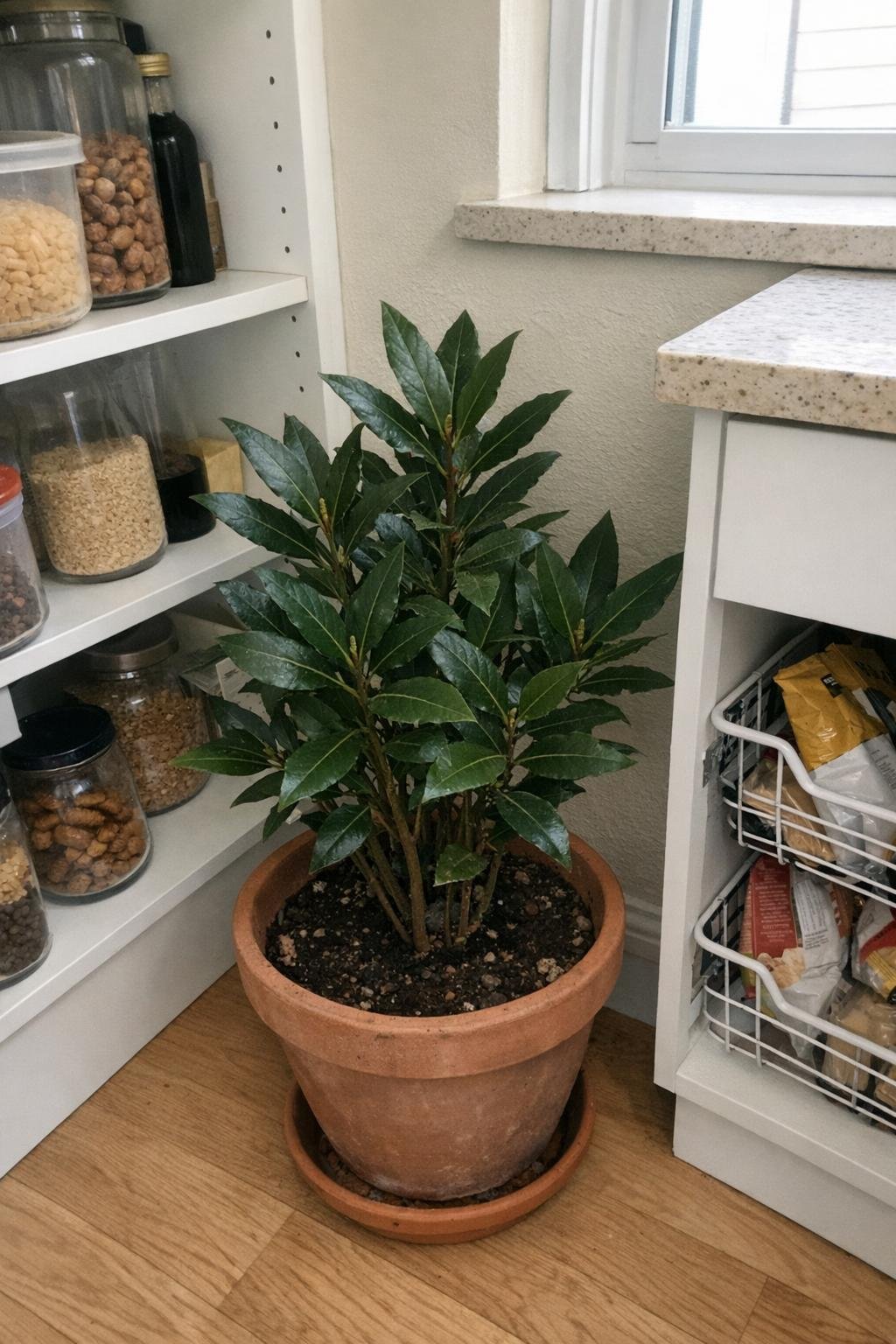
Bay laurel is a handsome little indoor shrub, and its leaves have long been tucked into pantry areas to help discourage flour weevils and even roaches. I like a potted bay near the kitchen, and I’ll slip a dried leaf into canisters of flour or cornmeal as an old pantry habit passed down through the family.
Indoors, it wants bright light, steady but moderate watering, and a pot large enough to support its woody stems as it grows. The bonus is obvious for any cook: a couple of leaves can flavor soups, beans, braises, and stock pots beautifully.
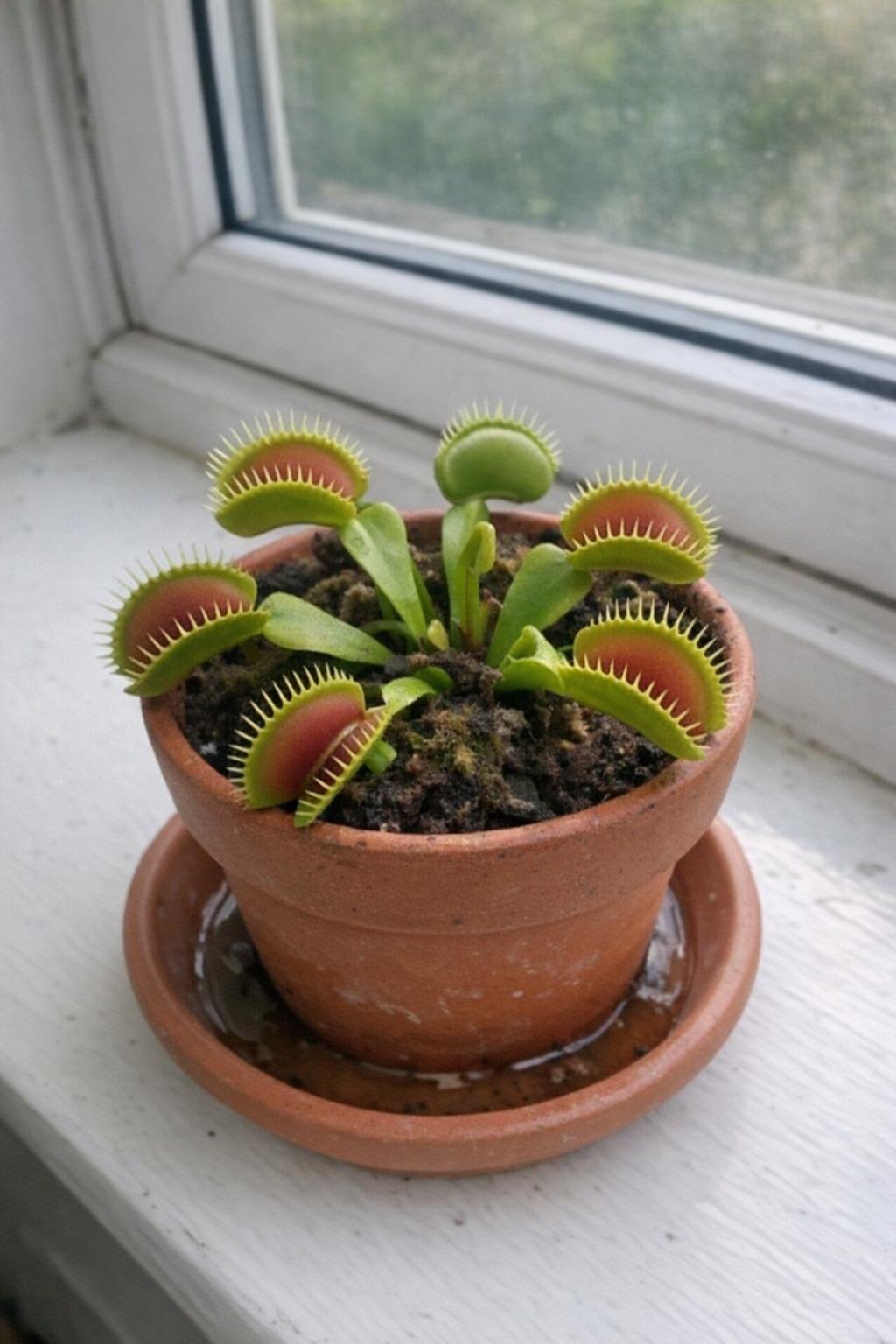
17. Venus flytrap
Now this one does its pest control a little differently: a Venus flytrap actually catches the small flies and gnats that wander inside. It won’t solve a major infestation, but on a sunny windowsill in a humid room, it can certainly help with the occasional tiny nuisance.
Use distilled or rainwater rather than hard tap water, keep it in bright light, and set the pot in a shallow tray with a bit of moisture so it never dries completely out. It’s a fascinating plant to have around, especially if you enjoy seeing nature handle its own business.
18. Pitcher plant
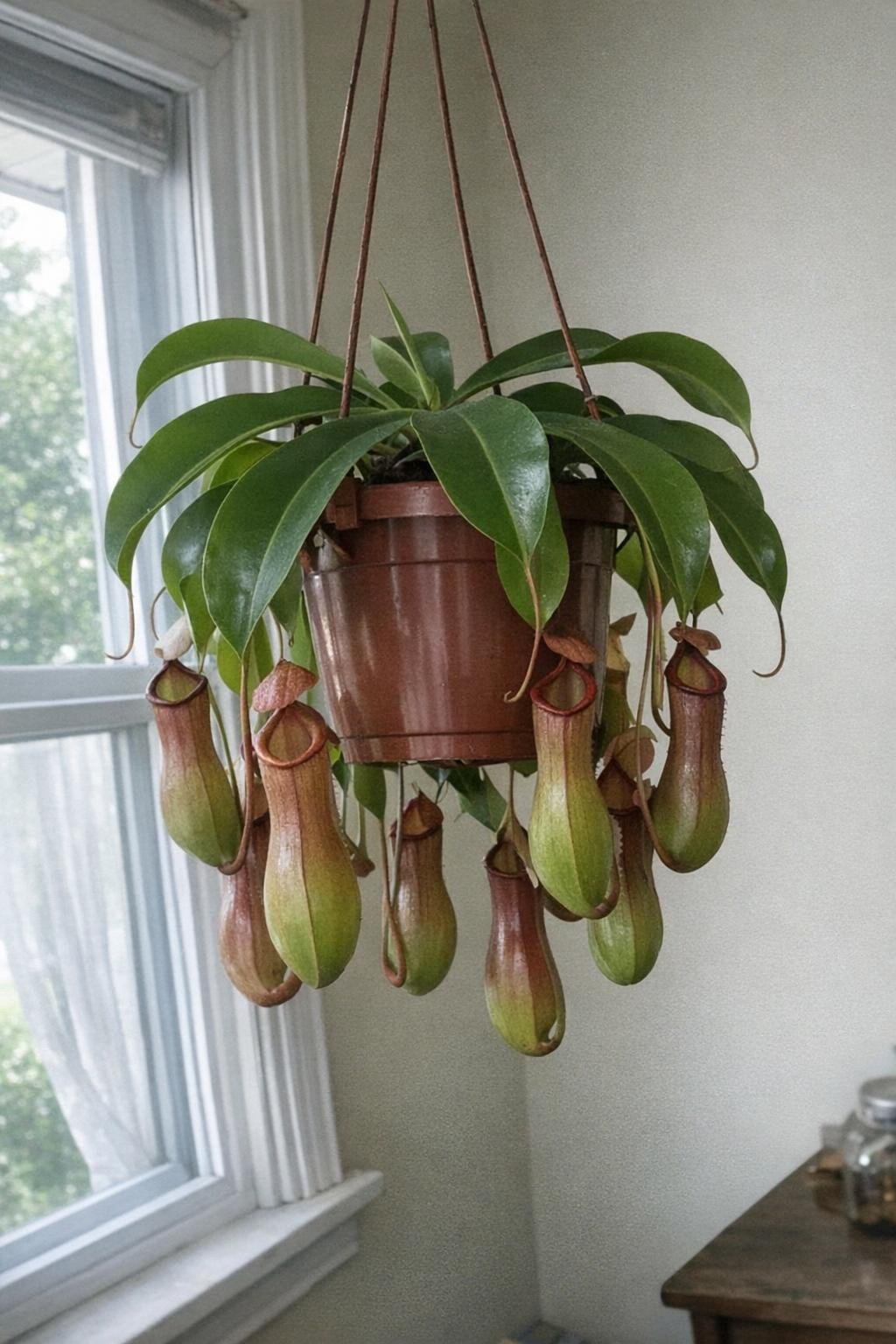
Pitcher plants are another natural trapper, especially useful for fruit flies and fungus gnats that seem to appear the minute fruit gets overripe on the counter. A hanging pot near a bright window works well, and the pitchers are easy to recognize and rather striking without being fussy-looking.
Like other carnivorous plants, they do best with distilled or rainwater and soil that stays consistently damp. I think of them as a practical curiosity—something unusual to look at, but also genuinely helpful in the kitchen or sunroom when little flying pests start multiplying.
19. Petunias
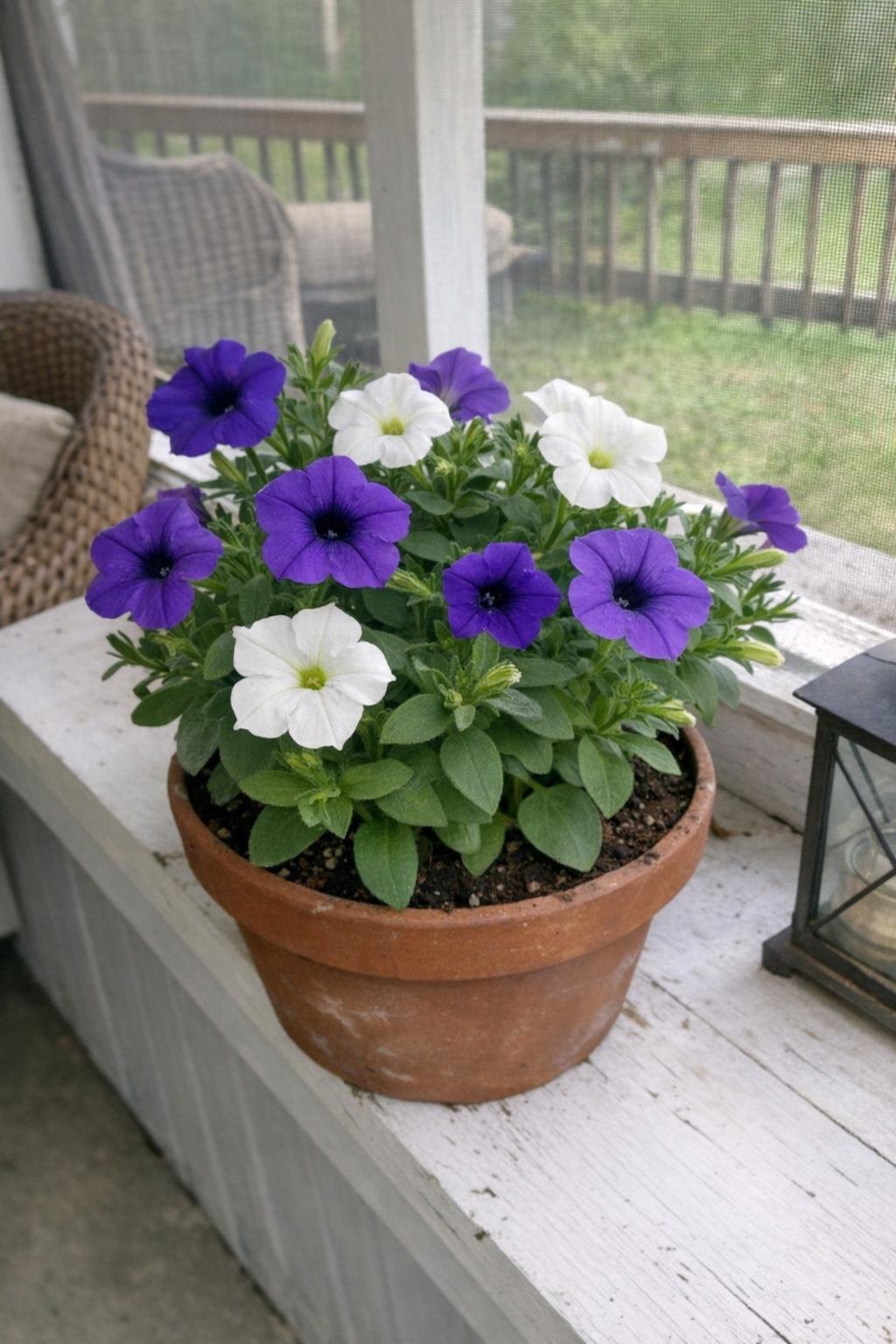
Petunias are often called nature’s pesticide because they can help deter aphids, squash bugs, and leafhoppers, and I think they’re especially nice on a sunny sill or enclosed porch. They bring a lot of color for the space they take up, which makes them a cheerful choice if you want usefulness without sacrificing prettiness.
They need strong light, deadheading or trimming now and then, and watering when the soil surface dries. In a pot 8 to 10 inches wide, one or two plants can spill nicely over the edge and brighten a room while helping guard nearby plants from pests.
20. Garlic chives or a potted garlic
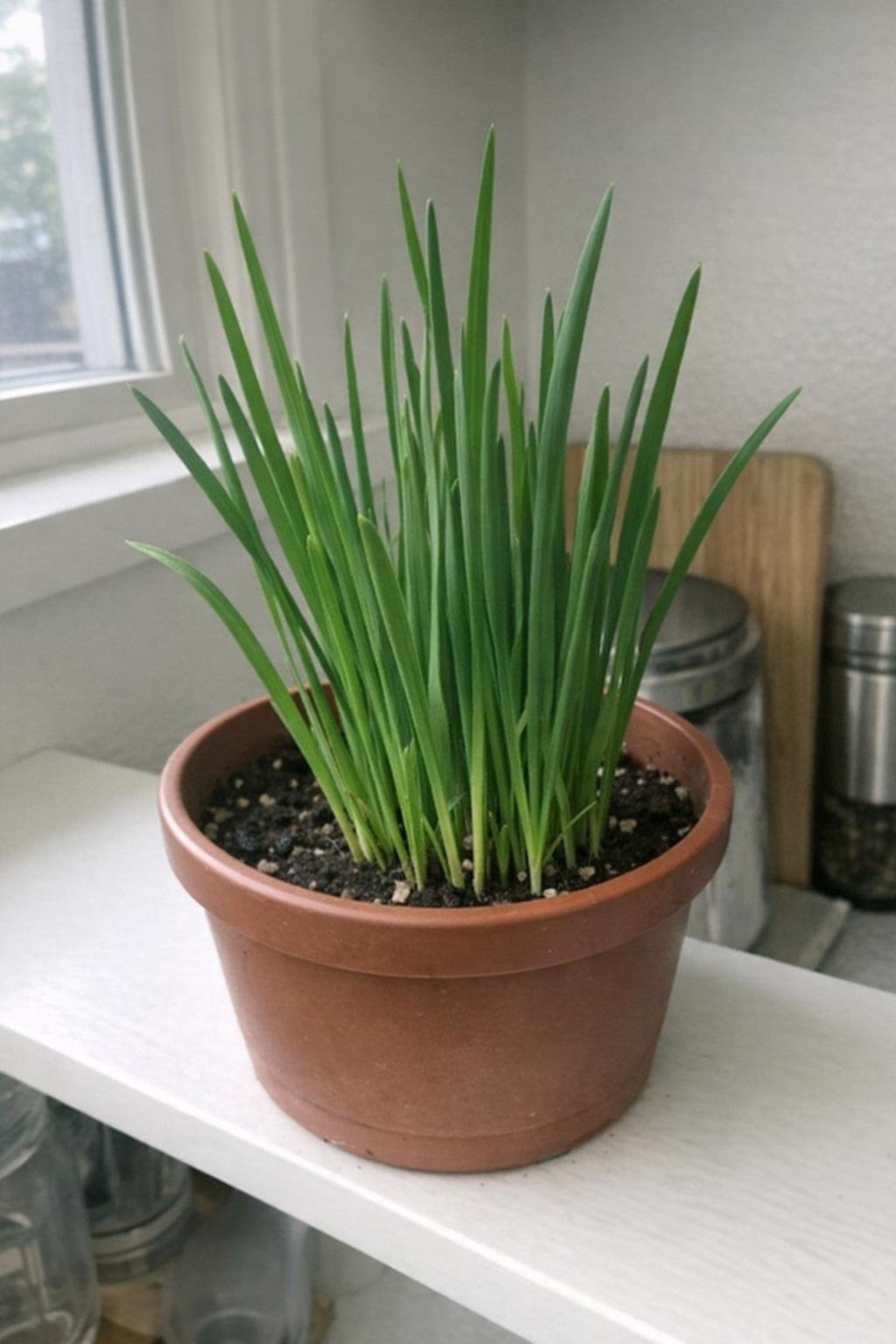
Garlic chives and potted garlic both give off that unmistakable allium scent pests dislike, including spiders, mosquitoes, and aphids. If I had to choose a spot, I’d set them near a kitchen window, back entry, or mudroom shelf where light is decent and the pot won’t be forgotten.
They do best with 5 to 6 hours of sun, regular but not heavy watering, and a snug pot with drainage. Garlic chives can be snipped into stir-fries, eggs, and dumplings, while a potted garlic is simply satisfying to grow—useful, sturdy, and plainspoken, much like the best old garden remedies.
You certainly don’t need all 20 at once, but even two or three well-chosen pots can make a home smell fresher and feel a little less welcoming to pests. To my mind, that is the best kind of housekeeping—practical, pretty, and rooted in the old ways that still make good sense today.