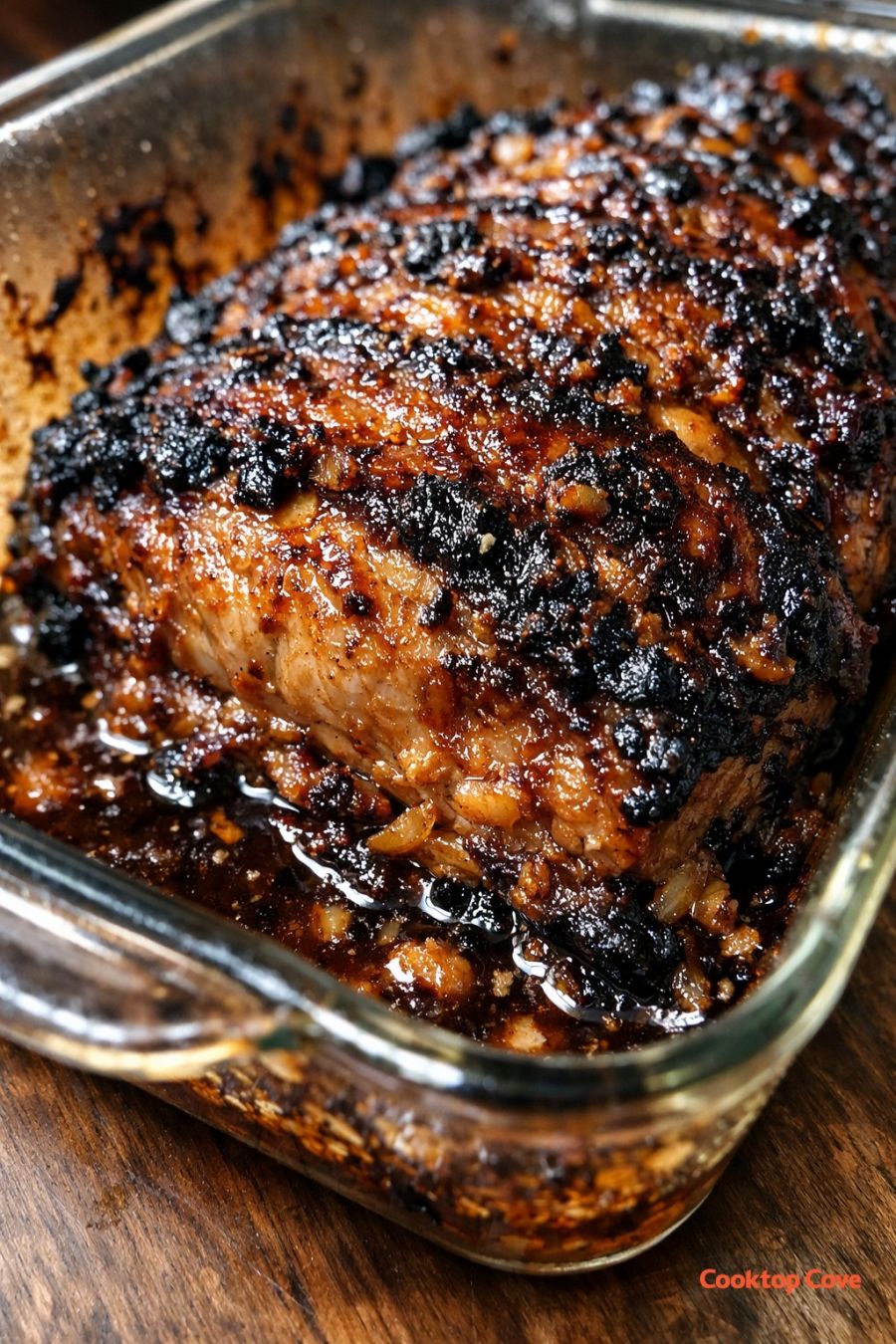
This 5-ingredient oven holiday weekend winner is the kind of dump-and-bake comfort food that makes the whole house smell cozy without keeping you stuck in the kitchen. Everything goes into one glass baking dish, then the oven does the work, turning the top into a succulent, glistening layer with deeply caramelized edges. It’s inspired by those old Midwestern potluck casseroles our moms and grandmas made, but pared down so it’s easy enough for a busy long weekend when you’d rather be with family than fussing over dinner.
Serve this saucy, umami-rich chicken and potatoes with a simple green salad or steamed green beans to balance the richness. Warm dinner rolls or crusty bread are great for soaking up the extra sauce along the edges of the pan. If you’re feeding a crowd, you can set the glass baking dish right on a trivet in the middle of the table and let everyone scoop out their own portion family-style. A light dessert, like fruit salad or vanilla ice cream, pairs nicely after such a cozy, savory main dish.
5-Ingredient Holiday Oven Chicken & PotatoesServings: 4
Ingredients
2 lb boneless skinless chicken thighs, trimmed
1.5 lb baby potatoes, halved (or quartered if large)
1 cup thick teriyaki or soy-garlic marinade
1/3 cup brown sugar, packed
2 tbsp neutral oil (such as canola or vegetable)
Directions
Preheat your oven to 400°F (200°C). Lightly grease a 9x13-inch glass baking dish with a bit of the oil or nonstick spray so nothing sticks too hard as it caramelizes.
Add the halved baby potatoes directly to the glass baking dish. Drizzle with the neutral oil and toss right in the dish until the potatoes are lightly coated and spread in an even layer.
In a small bowl, whisk together the teriyaki or soy-garlic marinade and the brown sugar until the sugar is mostly dissolved. This will turn into a glossy, sticky sauce that bubbles and caramelizes around the edges.
Nestle the chicken thighs on top of the potatoes in a single layer. It’s fine if they overlap a bit, but try to keep most of the chicken on top so it can develop that succulent roasted top.
Pour the sweet-savory marinade mixture evenly over the chicken and potatoes, making sure each piece of chicken is coated. Use the back of a spoon to spread it around if needed. No extra stirring—this is truly a dump-and-bake.
Cover the baking dish tightly with foil and bake for 25 minutes to let the chicken cook through and the potatoes start to soften without drying out.
Remove the foil and continue baking, uncovered, for 25–30 minutes more, or until the chicken is cooked through (at least 165°F/74°C in the thickest part), the potatoes are tender, and the top of the chicken is glistening and browned with caramelized edges around the dish.
For extra caramelization, move the uncovered dish to the top rack and broil on high for 2–4 minutes, watching closely so the sugars don’t burn. You’re looking for a sticky, umami-rich glaze on top of the chicken and deeply browned edges where the sauce meets the glass.
Let the dish rest for 5–10 minutes before serving. The bubbling will calm down, the sauce will thicken slightly, and everything will be easier to scoop out in nice, saucy portions.
Variations & Tips
For picky eaters, you can cut the chicken into smaller chunks before adding it to the dish so it feels more like bite-size pieces than big, grown-up portions. If your family prefers milder flavors, choose a low-sodium teriyaki or soy-garlic sauce and reduce the brown sugar to 1/4 cup; you can always drizzle a little honey over individual servings at the table. To add a bit of color without adding more ingredients, sprinkle chopped fresh parsley or sliced green onions over the top after baking, if you have them on hand. You can also swap the baby potatoes for thick-cut carrots or a mix of root vegetables; just keep the total amount around 1.5 lb so everything cooks evenly. For a slightly smokier flavor, use a teriyaki or marinade that includes a hint of sesame or garlic, or add a pinch of black pepper before baking.
Food safety tips: Always use separate cutting boards and utensils for raw chicken and vegetables, and wash your hands well after handling raw poultry. Make sure the chicken reaches an internal temperature of at least 165°F (74°C) before serving; checking the thickest piece with an instant-read thermometer is the easiest way. If you broil at the end for extra caramelization, keep a close eye on the dish because the sugar in the sauce can go from perfectly browned to burnt very quickly. Refrigerate leftovers within 2 hours of cooking, and reheat thoroughly before serving again.