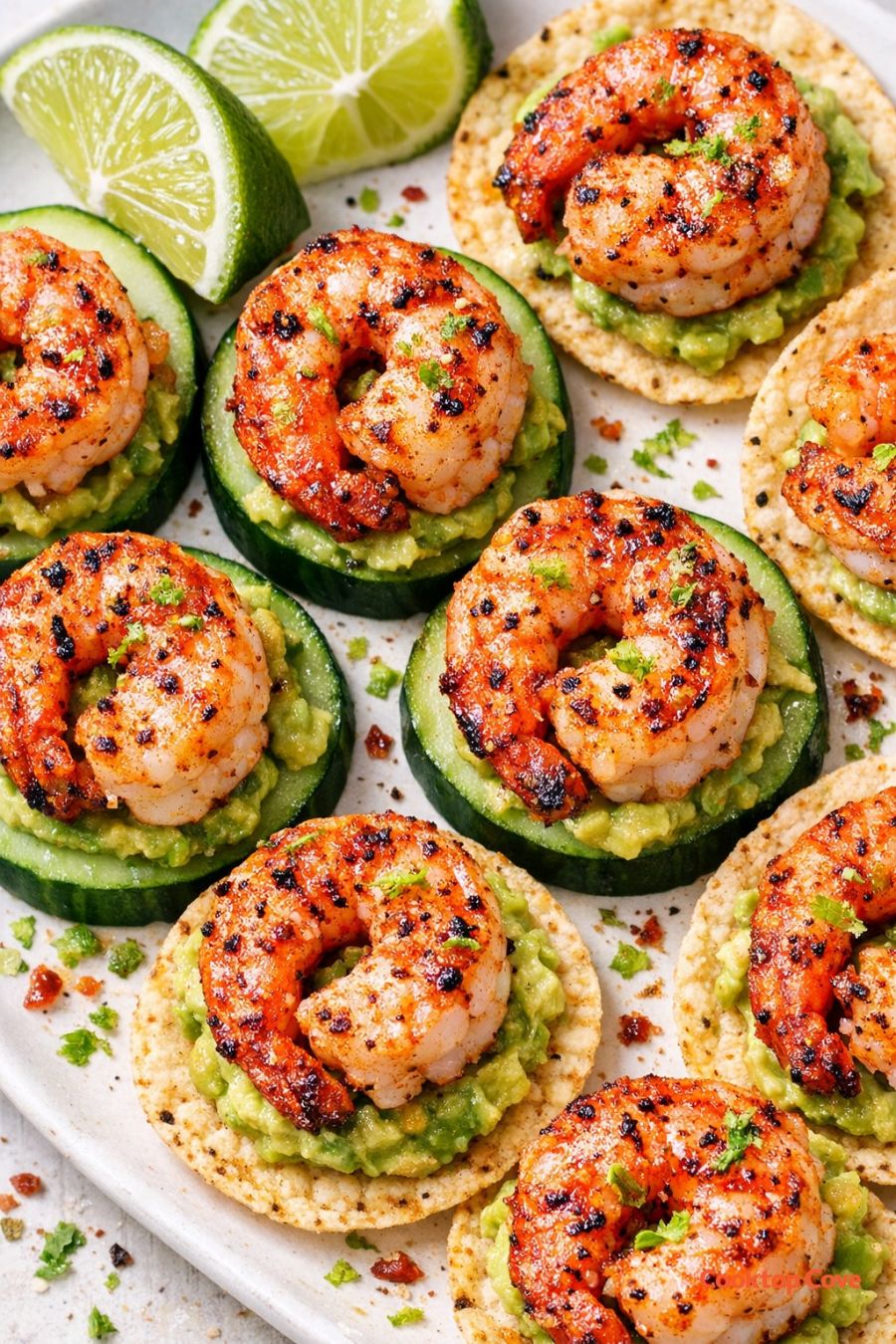
These low carb 3-ingredient chili lime shrimp bites are the kind of thing that disappear from the platter before you’ve even set down the rest of the food. My neighbor started bringing a version of these to every backyard cookout years ago, and they’ve become a staple: juicy, lightly charred shrimp, coated in a bright chili-lime seasoning that hits all the right notes—zesty, a little smoky, and wonderfully savory. With only three ingredients and a quick cook time, they’re ideal for weeknights, last-minute guests, or as an easy protein to tuck into salads and lettuce wraps. The flavor combination leans on the Latin American pairing of chili and lime, which shows up from Mexican street snacks to Peruvian seafood dishes, but the technique here stays very homey and accessible.
Serve these shrimp bites piled onto a platter with extra lime wedges so everyone can squeeze on more citrus at the table. They’re great alongside a simple green salad, grilled vegetables, or cauliflower rice to keep things low carb. For a casual cookout, I like to pair them with crunchy cucumber slices and jicama sticks, plus a bowl of guacamole. They’re also excellent as a topper for shredded cabbage slaw dressed with lime and olive oil, or tucked into lettuce cups with a spoonful of salsa or a drizzle of sour cream for a light, hand-held option.
Chili Lime Shrimp BitesServings: 4
Ingredients
1 1/2 pounds large raw shrimp, peeled and deveined, tails on or off
3 tablespoons chili-lime seasoning blend (such as Tajín or similar chili, lime, and salt mix)
2 tablespoons neutral high-heat oil (such as avocado oil or light olive oil)
Directions
Pat the shrimp very dry with paper towels. Removing excess moisture helps the seasoning cling and encourages a juicy interior with light charring on the outside.
Place the shrimp in a large bowl. Drizzle with the neutral oil and toss to coat evenly.
Sprinkle the chili-lime seasoning evenly over the shrimp. Toss again until every shrimp is well coated and looks evenly red and speckled with seasoning.
Let the shrimp sit at room temperature for 10–15 minutes while you heat your cooking surface; this brief rest allows the seasoning to hydrate slightly and adhere, and it takes the chill off the shrimp for more even cooking.
Preheat a large cast-iron skillet or heavy nonstick skillet over medium-high heat until very hot. You want the pan to be hot enough that the shrimp sizzle the moment they hit the surface.
Working in a single layer (cook in batches if needed to avoid crowding), add the seasoned shrimp to the dry hot skillet. Do not move them for the first 1–2 minutes so they can sear and develop a bit of char.
Flip the shrimp once the bottoms are pink and lightly charred around the edges. Cook for another 1–2 minutes, just until the shrimp are opaque, curled, and lightly browned in spots. Total cook time will be about 3–4 minutes, depending on size.
Transfer the cooked shrimp to a serving platter as soon as they are done to prevent overcooking. If cooking in batches, keep the first batch loosely tented with foil while you finish the rest.
Right before serving, you can lightly sprinkle a pinch more chili-lime seasoning over the platter for extra color and brightness, if desired. Serve warm or at room temperature as bite-sized appetizers.
Variations & Tips
For extra lime aroma without adding ingredients, you can grate a bit of lime zest over the platter at the end if your chili-lime seasoning is more chili-forward than citrusy. If you prefer a milder bite, choose a chili-lime blend that leans more tangy than spicy, or reduce the seasoning slightly and taste a cooked shrimp before adjusting. For grilling instead of pan-searing, thread the seasoned shrimp onto soaked wooden skewers and grill over medium-high heat for about 2 minutes per side until pink and lightly charred; this gives more smoky notes while still staying low carb. To turn these into a simple main dish, serve the shrimp over shredded cabbage or a bed of mixed greens with avocado slices and an extra squeeze of lime. Food safety tips: Always start with fresh-smelling shrimp that are cold to the touch; if they smell strongly of ammonia or feel slimy, discard them. Keep raw shrimp refrigerated until just before seasoning, and avoid letting them sit at room temperature for longer than about 30 minutes total. Use separate cutting boards and utensils for raw seafood, and wash your hands, tools, and surfaces thoroughly with hot, soapy water after handling. Cook shrimp until they are fully opaque and firm, with no translucent gray spots remaining, and refrigerate leftovers within 2 hours in a shallow container. Reheat gently just until warm to avoid overcooking.